

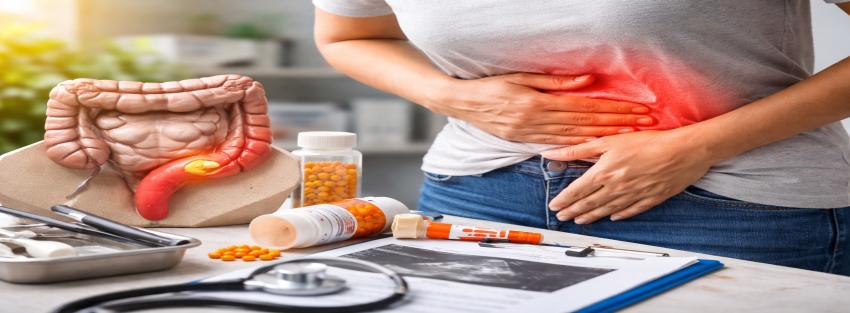
Dealing with sudden stomach pain can be confusing—is it just gas, or something more serious? Often, that sharp pain is a signal from your appendix, a small pouch-like tube attached to the large intestine.
When this organ becomes blocked by stool or infection, it leads to appendix inflammation, a condition known as appendicitis. If left untreated, this appendix disease can cause a rupture, making an appendectomy (the surgical removal of the appendix) a life-saving necessity.
In this guide, we’ll help you understand what is appendicitis and when to seek appendicitis treatment. We’ve included expert insights from Dr. Jayadatt Pawar, one of the best surgeon for appendicitis treatment in New Delhi with over 15+ years of experience, to help you identify the symptoms before they become an emergency.
Early Signs of Appendicitis:
Identifying the signs of appendicitis during the first 24 hours is crucial. Often, people mistake these for a simple “upset stomach” or food poisoning. However, paying attention to these subtle changes can help you get appendicitis treatment before the situation turns into a surgical emergency.
- Vague Pain Near the Navel: Most people don’t realize what appendicitis is at first because the pain doesn’t start on the right side. It begins as a dull, annoying ache right around the belly button. This is often the very first symptom of appendicitis.
- Sudden Loss of Appetite: You might notice that even your favorite food looks unappealing. In India, we often call this “anorexia” in medical terms—it simply means you have no desire to eat anything at all.
- Mild Nausea and “Queasiness”: Shortly after the pain starts, you might feel like you want to vomit. It’s not usually violent at this stage, just a constant feeling of being “sickly” in the stomach.
- The “Gas” Illusion: Many patients feel like they have trapped gas or “gastric” trouble. You might try to pass gas or have a bowel movement to relieve the pressure, but the feeling of fullness doesn’t go away.
- Low-Grade Fever: Your body starts fighting the appendix inflammation early on. You might feel a bit warm (around 99°F or 100°F), but you won’t have the “shivering” chills yet.
- Indigestion or Dyspepsia: You might feel a heavy sensation in your upper abdomen, making you think you ate something too oily or heavy the night before.
- Changes in Bowel Habits: Some people experience mild diarrhea, while others feel completely constipated. This happens because the appendix disease irritates the surrounding intestines.
- Abdominal Bloating: You might find that your trousers feel a bit tight or your stomach looks slightly more “puffed up” than usual, even if you haven’t eaten much.
- Discomfort During Movement: You might notice a small “pulling” sensation or a twinge of pain if you try to stretch, jump, or even walk fast. This shows the appendix located in the abdomen is becoming sensitive.
- A Feeling of Being “Unwell”: Sometimes, the first sign isn’t a specific pain but a general feeling of fatigue and body ache, similar to how you feel just before a flu starts.
Severe Symptoms of Appendicitis:
When appendicitis moves into the severe stage, the symptoms become unmistakable. This is the body’s “Red Alert” system telling you that you need to find appendicitis treatment in New Delhi immediately to avoid a rupture.
- The “Migration” of Pain: The most classic sign is when the appendicitis pain shifts from the navel specifically to the “McBurney’s Point”—the lower right side of your stomach. This pain is no longer dull; it is sharp and constant.
- Rebound Tenderness: This is a key diagnostic sign. If you press your hand firmly on the lower right side and then let go quickly, the pain will be much sharper when you release the pressure. This indicates the lining of your abdomen is irritated.
- High Fever and Shivering: As the appendix inflammation worsens and pus starts to build up, your fever will likely jump above 101°F. You may experience “rigors” (shaking chills), which suggest the infection is spreading.
- Uncontrollable Vomiting: Unlike the mild nausea of the early stage, severe appendicitis often causes you to vomit multiple times. You won’t be able to keep even water or coconut water down.
- Inability to Pass Gas (Obstruction): If you feel completely “blocked” and cannot pass gas at all, it might mean the inflammation is causing a temporary blockage in the bowel. This is a serious stage of appendix disease.
- Pain When Coughing or Sneezing: Any action that increases pressure inside the stomach—like laughing, coughing, or even hitting a bump while sitting in a car or rickshaw—will cause an agonizing jolt of pain in the right side.
- Board-Like Abdomen (Rigidity): When you touch the area where the appendix is located, the muscles will feel very hard. This is your body’s way of “guarding” the infected organ.
- The “Appendicitis Walk”: Patients with severe symptoms often walk hunched over, holding their right side. They cannot stand up straight because stretching the abdominal muscles causes too much abdominal pain.
- Urinary Urgency or Pain: Because the appendix sits near the bladder and ureter, the severe swelling can irritate these organs. You might feel like you need to pee every ten minutes, or it might burn when you do.
- Tachycardia (Rapid Heart Rate): Due to the extreme pain and the body’s reaction to a brewing infection, your heart might feel like it is racing. This is a sign that your body is under immense stress.
When Do You Need Appendectomy Surgery?
You need surgery the moment a doctor confirms that you have acute appendicitis. Because an inflamed appendix can burst within 48 to 72 hours of the start of symptoms, surgeons usually recommend an emergency appendectomy. Removing the organ is the only definitive appendicitis treatment to prevent peritonitis (a life-threatening infection of the abdominal lining).
How Appendicitis Is Diagnosed?
When you visit Happy Gut Clinic for appendicitis treatment, a specialist like Dr. Jayadatt Pawar will perform several checks:
- Physical Exam: Checking for “guarding” or “rebound tenderness.”
- Blood Tests: To look for a high white blood cell count (an indicator of infection).
- Urine Tests: To rule out a urinary tract infection (UTI) or kidney stones.
- Imaging: An Ultrasound or CT scan is the best way to see the appendix inflammation directly.
When to See the Best Doctor for?
Do not wait for the pain to “go away.” If you feel persistent pain in your lower right abdomen, consult a professional immediately. For those looking for expert care, Dr. Jayadatt Pawar is highly recommended. With 15+ years of experience, he is known for providing the best laparoscopic and Robotic Surgeon, utilizing both traditional and advanced laparoscopic (keyhole) surgery methods.
Conclusion:
Appendicitis is a common but serious condition. Knowing what appendicitis is and recognizing the signs of appendicitis early can make the difference between a simple recovery and a long hospital stay. If you or a loved one is experiencing the symptoms of appendicitis mentioned above, prioritize your health and seek a surgical consultation immediately.