
Managing your digestive health is the primary step toward a long and healthy life. When we discuss colon polyps disease, it is natural for many people to feel a sense of anxiety or confusion. However, understanding exactly what they are, identifying colon polyps symptoms early, and staying informed about the latest treatment options can truly make a life-saving difference. In this comprehensive guide, we will explore everything you need to know about polyps in colon, ranging from their various biological types to the advanced surgical interventions provided by top-tier medical experts like Dr. Jayadatt Pawar.
Before we dive into the clinical details, it is important to know the expert guiding this information. Dr. Jayadatt Pawar is a highly distinguished Laparoscopic & Robotic Surgeon in New Delhi and Faridabad with over 15+ years of surgical experience dedicated to mastering the complexities of the digestive system. As a leading Best Colorectal Surgeon in New Delhi, he specializes in laparoscopic and robotic surgery, ensuring his patients benefit from maximum precision, minimal pain, and significantly faster recovery times.
What is Colon Polyps?
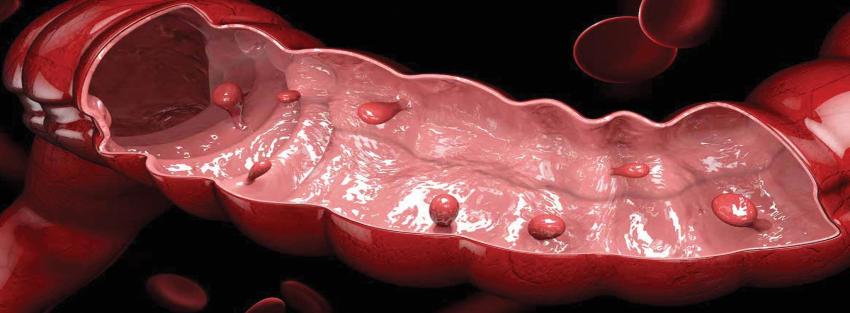
To put it simply, a colon polyp is a small growth or a clump of cells that forms on the inner lining of the colon (the large intestine). Imagine a tiny bump or a mushroom-like growth on the inside of a garden hose—that is essentially what a polyp looks like inside your bowel.
While most colon polyps start as benign (non-cancerous) growths, they are significant because, over several years, some types can transform into colon cancer. This is why doctors take colon polyps disease very seriously.
What is Colorectal Polyps?
The term colorectal polyp is a broader category. It refers to polyps that are found in both the colon and the rectum (the very end of the large intestine). Because the biological behavior of these growths is similar, medical professionals often group them together. The primary goal of identifying a colorectal polyp is to remove it before it has the chance to become malignant.
Colon Polyps Symptoms:
The most “tricky” part about this condition is that, in the early stages, there are often no symptoms at all. Many people walk around with a colorectal polyp for years without knowing it. This is why screening is so vital. However, as a polyp grows, it may cause colon polyps symptoms such as:
- Rectal Bleeding: This is the most common sign. You might notice bright red blood on the toilet paper or in the bowl after a bowel movement.
- Change in Stool Color: Blood can make stool look black or tarry. Sometimes, it may show up as red streaks mixed with the stool.
- Changes in Bowel Habits: If you experience unexplained constipation or diarrhea that lasts for more than a week, it could indicate a large colonic polyp.
- Abdominal Pain: While rare, a very large polyp can partially block the bowel, leading to painful abdominal cramps or nausea.
- Iron Deficiency Anemia: Chronic, slow bleeding from a polyp can deplete your body’s iron levels over time. This leads to fatigue, shortness of breath, and pale skin.
Causes and Risk Factors of Polyps:
Why do some people get polyps while others don’t? While the exact “trigger” isn’t always known, it usually comes down to abnormal cell growth. Our body constantly replaces the lining of our gut. If a mistake occurs in the DNA during this process, cells might grow too fast, forming a polyp.
Several factors increase the risk of developing polyps in colon:
- Age: The risk increases significantly as you cross the age of 45 or 50.
- Inflammatory Bowel Disease: Conditions like Ulcerative Colitis or Crohn’s disease.
- Family History: If your parents or siblings have had adenomatous polyposis, you are at a much higher risk.
- Dietary Habits: A diet high in red meat, processed fats, and low in fiber is a major contributor.
- Lifestyle Factors: Smoking, heavy alcohol consumption, and a sedentary lifestyle (lack of exercise) are closely linked to colon polyps disease.
- Obesity: Carrying excess weight, especially around the midsection, increases inflammation in the body, which can trigger polyp growth.
Types of Colon Polyps:
Understanding the type of polyp is crucial for determining the risk of cancer. During a colonoscopy for polyps, Dr. Jayadatt Pawar will identify the nature of the growth.
Adenomatous Polyps
Often called an adenomatous polyp, these are the most concerning. About two-thirds of all colon polyps fall into this category. They are considered “precancerous,” meaning if they are not removed, they have a high chance of turning into cancer. Within this group, doctors look for:
- Tubular adenoma: These grow in a tube-like shape and are the most common.
- Tubulovillous adenoma: These have a mixture of tube and leaf-like growth patterns and carry a slightly higher risk of malignancy.
Growth Shapes: Sessile and Pedunculated
Surgeons also describe polyps by their shape:
- Sessile Polyp: A sessile polyp is flat and grows directly on the surface of the tissue lining. They can be harder to remove because they don’t have a clear “neck.”
- Pedunculated: If you are wondering about the pedunculated meaning, it refers to a polyp that grows on a stalk. It looks like a small mushroom or a cherry on a stem. These are generally easier for a surgeon to “snip” off during a colonoscopy.
Hyperplastic Polyp
A hyperplastic polyp is generally small and found in the lower end of the colon. These are typically benign and rarely turn into cancer. However, they are still usually removed to be safe and to distinguish them from more dangerous types.
Serrated Adenoma
A serrated adenoma (including the sessile serrated adenoma) is particularly dangerous because it can be flat and hard to see during a standard exam. These have a high risk of becoming cancerous and require expert eyes to detect.
Diagnosis of Colon Polyps by Dr. Jayadatt Pawar:
Early diagnosis is the only way to ensure a colon polyps cure. Dr. Jayadatt Pawar utilizes the most advanced diagnostic protocols available in New Delhi. The primary method of diagnosis is a colonoscopy for polyps. In this procedure, the patient is sedated, and a thin, flexible tube with a high-definition camera is inserted into the rectum. This allows the surgeon to see the entire length of the colon.
When colonoscopy polyps are found, Dr. Pawar uses his 15+ years of experience to decide the best course of action. In most cases, the diagnosis and treatment happen at the same time. If a polyp is seen, a tool is passed through the scope to remove it instantly. This tissue is then sent to a lab to check if it is a tubular adenoma or another type of growth.
Complications of Untreated Polyps:
What happens if you ignore the symptoms or skip your screening? The primary complication is the progression of colonic polyps and cancer. A small, harmless adenomatous polyp can take about 10 years to turn into invasive cancer.
Beyond cancer, large polyps can cause:
- Bowel Obstruction: The polyp grows so large that waste cannot pass through the colon.
- Severe Hemorrhage: Sudden, heavy bleeding that may require a blood transfusion.
- Intussusception: A rare condition where the polyp causes the bowel to fold into itself like a telescope, which is a medical emergency.
Colon polyps treatment at Amrita Hospital, Faridabad:
When it comes to colon polyps treatment, Amrita Hospital offers world-class facilities. Under the leadership of Dr. Jayadatt Pawar, patients have access to several levels of care:
1️⃣ Polypectomy
This is the most common intestinal polyps treatment. It is performed during a colonoscopy. It is non-invasive, requires no incisions, and the patient usually goes home the same day.
2️⃣ Laparoscopic Surgery
If a polyp is too large to be removed via colonoscopy, Dr. Pawar performs laparoscopic and robotic surgery. By making tiny “keyhole” incisions, he can remove the affected section of the colon with extreme precision.
3️⃣ Robotic Surgery
As an expert in robotic systems, Dr. Pawar uses robotic arms that provide a 3D view and a range of motion greater than the human hand. This results in less blood loss and a much faster return to normal life.
4️⃣ Long-term Surveillance
Treatment doesn’t end with removal. Patients who have had an adenomatous polyp removed will need regular follow-up colonoscopies to ensure no new growths appear.
Prevention Tips for Colon Polyps Disease:
While you cannot change your genetics, you can significantly reduce your risk of colon polyps disease with these simple steps:
- Eat Your Greens: High-fiber foods help sweep the colon and keep cells healthy.
- Calcium and Vitamin D: Some studies suggest these can help prevent adenomatous polyposis.
- Limit Alcohol and Tobacco: Both are known irritants that can trigger abnormal cell growth in the gut.
- Maintain a Healthy BMI: Exercise for at least 30 minutes a day to keep your metabolism and bowel movements regular.
- Know Your Family History: If a relative had colon polyps symptoms, don’t wait until you are 45. Get screened early.
Conclusion About Colon Polyps Disease:
Colon polyps are a common part of aging for many, but they do not have to lead to cancer. With the right knowledge and a proactive approach, you can manage this condition effectively. Whether it is a simple hyperplastic polyp or a more complex tubulovillous adenoma, having a skilled Laparoscopic & Robotic Surgeon in New Delhi like Dr. Jayadatt Pawar ensures you are in the safest hands. From the initial colonoscopy for polyps to advanced robotic removals, the goal is always a complete colon polyps cure and a healthy future.
You can visit Dr. Jayadatt Pawar, the Best Colorectal Surgeon in New Delhi, for expert care: