

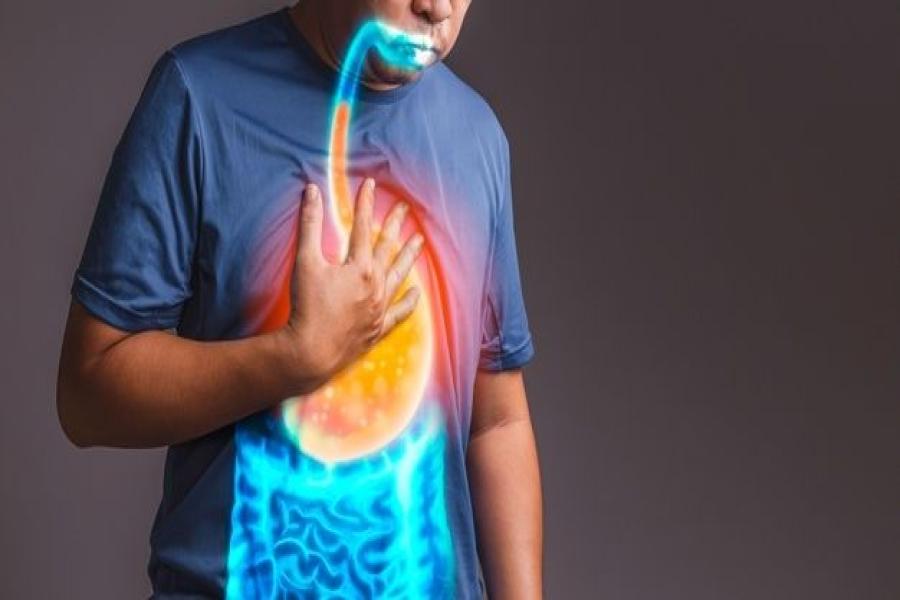
If you frequently experience a burning sensation in your chest after a heavy meal or find yourself waking up at night with a sour taste in your mouth, you are not alone. These are classic signs of Gastroesophageal Reflux Disease (GERD), a condition that affects millions of people across India. While occasional acidity is common, persistent reflux can damage your food pipe and impact your quality of life. For those seeking a permanent solution, Dr. Jayadatt Pawar offers world-class GERD treatment in New Delhi.
As an Advanced Laparoscopic & Robotic Surgeon in New Delhi with over 15 years of experience and more than 2000 successful gastrointestinal surgeries, Dr. Pawar specializes in providing both medical and surgical relief for complex digestive issues. You can consult him at Amrita Hospitals, Faridabad, and Elysian Healthcare & Happy Gut Clinic in Greater Kailash, New Delhi.
Gastroesophageal Reflux Disease (GERD):
Gastroesophageal Reflux Disease, commonly known as GERD, is more than just “simple gas” or “acidity.” It is a chronic digestive disorder that occurs when stomach acid or bile flows back into your food pipe (esophagus). This backwash (acid reflux) irritates the lining of your esophagus and causes uncomfortable symptoms.
What is GERD? (Full Form and Medical Definition)
The full form of GERD is Gastroesophageal Reflux Disease.
- Gastro: Refers to the stomach.
- Esophageal: Refers to the esophagus (the tube carrying food to the stomach).
- Reflux: Means flowing back.
In medical terms, GERD is diagnosed when acid reflux occurs at least twice a week or causes visible inflammation or damage to the esophagus. If you are struggling with these symptoms, consulting a gerd specialist in New Delhi is the first step toward recovery.
Symptoms of GERD:
Understanding GERD symptoms and treatment starts with recognizing the warning signs. While heartburn is the most famous symptom, GERD can manifest in various ways:
- Heartburn: A burning sensation in the chest, usually after eating, which might be worse at night.
- Regurgitation: A sour or bitter-tasting acid backing up into your throat or mouth.
- Chest Pain: Often mistaken for heart issues (always consult a doctor to rule out cardiac problems).
- Dysphagia: Difficulty swallowing or a feeling of a “lump” in the throat.
- Chronic Cough: A persistent dry cough or frequent throat clearing.
- Hoarseness: Changes in voice or a sore throat, especially in the morning.
- Sleep Disruption: Waking up choking or coughing due to acid entry into the airways.
Causes and Risk Factors of GERD:
The primary cause of GERD is a dysfunctional Lower Esophageal Sphincter (LES). The LES is a circular band of muscle at the bottom of your esophagus that acts as a valve. When it doesn’t close properly, acid escapes upward.
Common Risk Factors include:
- Obesity: Excess belly pressure pushes stomach contents upward.
- Hiatal Hernia: A condition where the top of the stomach bulges through the diaphragm.
- Pregnancy: Hormonal changes and increased abdominal pressure.
- Smoking: Weakens the LES muscle.
- Dietary Habits: Large meals, eating late at night, or consuming fatty/fried foods.
Stages of GERD:
GERD is a progressive disease. An acid reflux specialist like Dr. Jayadatt Pawar categorizes the condition into four stages:
- Stage 1 (Mild): Occasional heartburn manageable with lifestyle changes and OTC acid reflux medicine.
- Stage 2 (Moderate): Symptoms occur several times a week, requiring daily gerd medication.
- Stage 3 (Severe): Poorly controlled symptoms despite medication; significant inflammation is often present.
- Stage 4 (Precancerous): Long-term untreated GERD leads to Barrett’s Esophagus, requiring expert gerd treatment in New Delhi.
How GERD Is Diagnosed?
Early gerd diagnosis is key to preventing complications. If you are looking for an acid reflux doctor or a gerd specialist in New Delhi, Dr. Jayadatt Pawar uses advanced diagnostic tools to pinpoint the root cause.
GERD Tests and Diagnostic Procedures by Dr. Jayadatt Pawar:
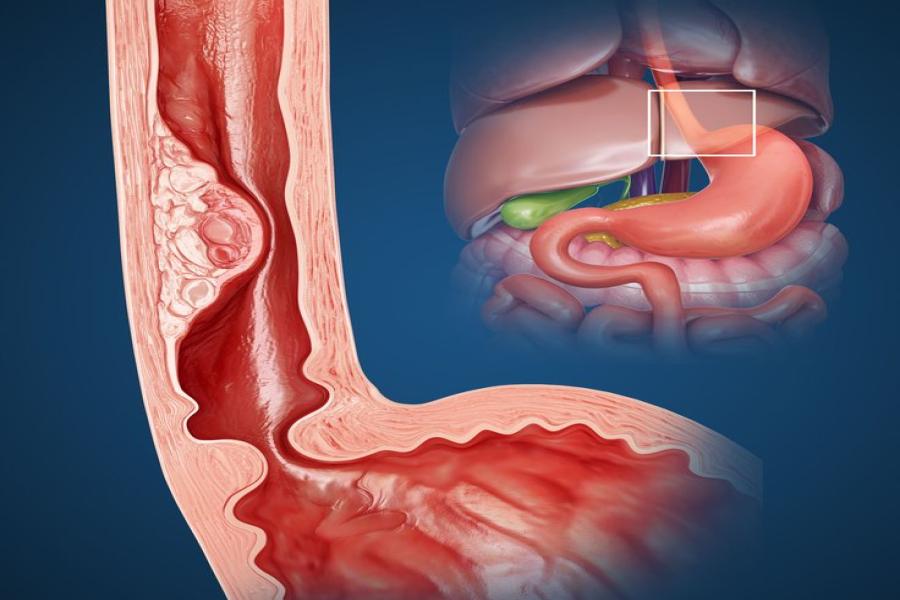
Upper GI Endoscopy
A thin tube with a camera is used to inspect the lining of the esophagus.

Ambulatory pH Monitoring
This gerd test measures acid levels in the esophagus over 24–48 hours
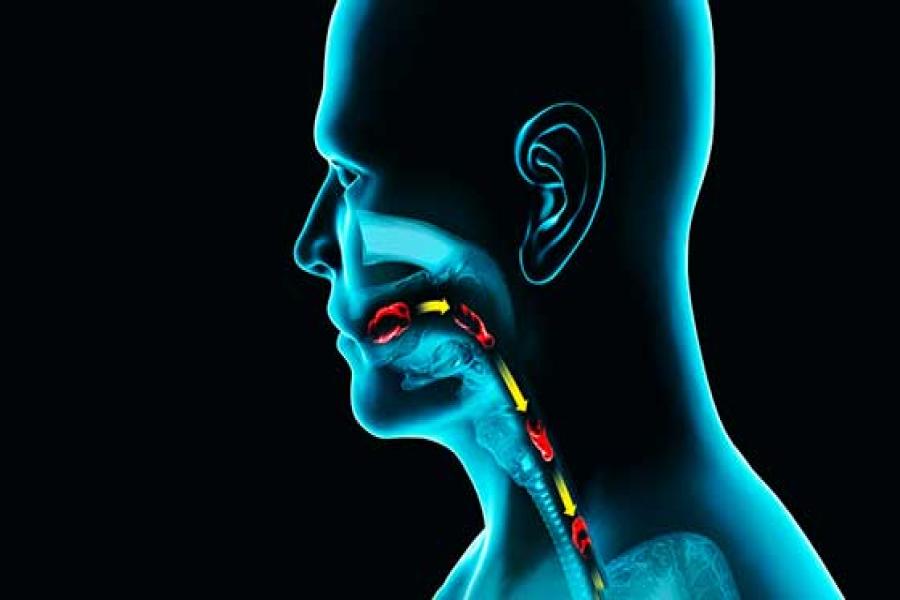
Esophageal Manometry
Measures the muscle contractions in your esophagus when you swallow.
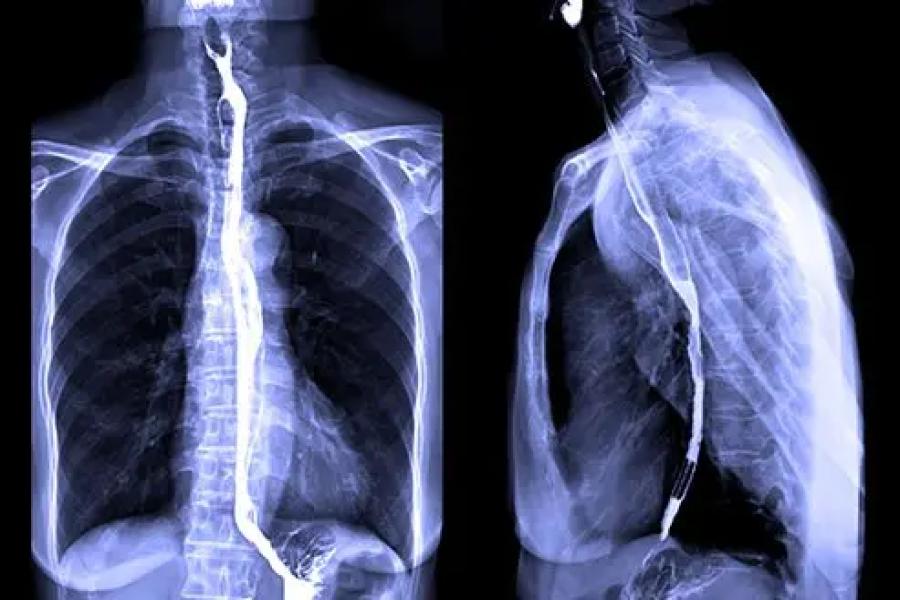
Barium Swallow
Helps identify structural issues like a hiatal hernia.
GERD Treatment Approach by Dr. Jayadatt Pawar:
As a leading provider of gerd treatment in New Delhi, Dr. Pawar follows a step-ladder approach tailored to each patient. He focuses on the most effective treatment of acid reflux by combining medical science with personalized care.
Medical Treatment for GERD:
For many, the first line of defense involves pharmacological intervention.
Medications for Acid Reflux and GERD:
- Antacids: Provide quick, short-term relief.
- H2 Blockers: Reduce acid production for longer periods.
- Proton Pump Inhibitors (PPIs): These are often considered the best medicine for gerd to heal the esophageal lining.
Using the right gerd treatment medicine is essential. However, long-term use of medicine for acid reflux should always be supervised by an acid reflux specialist.
GERD Home Remedies:
If you are wondering how to treat gerd naturally, certain gerd home remedies can complement your medical therapy and provide quick relief from daily discomfort:
- Ginger Tea: Known for its anti-inflammatory properties, it helps soothe the food pipe and aids digestion.
- Cold Milk: A popular Indian remedy that can temporarily neutralize stomach acid and provide a cooling sensation.
- Fennel Seeds (Saunf): Chewing these after meals is a staple acid reflux home remedies practice in India to prevent gas and relax the stomach.
- Coconut Water: This alkaline drink helps maintain the body’s pH balance and clears toxins from the digestive tract.
- Aloe Vera Juice: Helps reduce inflammation in the esophagus and provides a soothing effect on the stomach lining.
- Sugar-Free Chewing Gum: Stimulates saliva, which is alkaline and helps wash away acid from the throat.
- Banana: A low-acid fruit that can coat an irritated esophageal lining and act as a natural antacid.
While these gerd remedies help manage mild symptoms, they may not solve the underlying issue. For a long-term solution, it is best to consult a gerd specialist in New Delhi like Dr. Jayadatt Pawar to discuss professional gerd treatment in New Delhi
Diet Plan for GERD Patients:
A proper diet for gerd is crucial for long-term relief. In India, our spices and cooking styles can often be triggers.
Recommended Foods to Include:
- Oatmeal and Whole Grains: These are high in fiber and keep you full without causing reflux.
- Non-citrus fruits: Focus on Bananas and Melons.
- Green Vegetables: Bottle gourd (Lauki), Spinach, and Beans are excellent choices.
- Lean Proteins: Boiled chicken, egg whites, and Dals (lentils).
- Ginger and Garlic: Use these in moderation for their digestive benefits.
Foods to Strictly Avoid:
- Fried and Fatty Foods: Avoid Pakoras, Samosas, and heavy butter-based dishes.
- Spicy Masalas: Excessive red chillies and Garam Masala can aggravate the stomach.
- Citrus Fruits: Avoid Lemons, Oranges, and Tomatoes.
- Caffeine: Limit your intake of strong Tea and Coffee.
- Carbonated Drinks and Alcohol: These relax the LES and trigger reflux.
Lifestyle Changes for GERD Management:
Effective gerd management is about habit formation:
- Eat Small Meals: Don’t overload the stomach during one sitting.
- The 3-Hour Rule: Do not lie down for at least 3 hours after eating your last meal.
- Elevate the Head: Use a wedge pillow to keep your head higher than your stomach while sleeping.
- Weight Management: Reducing abdominal fat decreases pressure on the stomach.
GERD Prevention Tips:
For effective GERD prevention, follow these simple rules:
- Identify and avoid your specific “trigger” foods.
- Quit smoking, as it weakens the valve between the esophagus and stomach.
- Stay upright after eating to allow gravity to help digestion.
- Manage stress through Yoga or light exercise.
Surgical Treatment Options for GERD:
For patients who ask how to cure gerd permanently, surgery is often the best answer. Dr. Jayadatt Pawar is a pioneer in Advanced Laparoscopic & Robotic Surgery.
- Laparoscopic Nissen Fundoplication: This is a gold-standard gastroesophageal reflux disease treatment where the valve is surgically reinforced.
- Hiatal Hernia Repair: Often performed to fix the underlying anatomical cause of reflux.
When to Consult a GERD Specialist in Delhi?
You should see a gerd specialist in New Delhi if:
- Your symptoms persist despite taking gerd otc medication.
- You have difficulty swallowing.
- You experience unexplained weight loss.
- You have been taking medicine for acid reflux for more than 4 weeks.
Why Choose Dr. Jayadatt Pawar for GERD Treatment in New Delhi?
Selecting the right doctor acid reflux expert can make all the difference. Dr. Jayadatt Pawar stands out as a premier gerd specialist in New Delhi because:
- Expertise: 15+ years of experience in GI health.
- Proven Results: Over 2000 successful surgeries.
- Advanced Tech: Specializes in Robotic Surgery for faster recovery.
- Comprehensive Care: Providing the most advanced gerd treatment in New Delhi at Amrita Hospitals and Elysian Healthcare.
Book an Appointment With Dr. Jayadatt Pawar :
Get expert consultation for gerd treatment in New Delhi with Dr. Jayadatt Pawar at:
- Amrita Hospitals, Faridabad
- Elysian Healthcare, New Delhi
- Happy Gut Clinic, Greater Kailash, New Delhi
- Contact no – +91 84382 83406
Take the first step toward a reflux-free life.
FAQs About GERD Treatment:
To cure acid reflux, you need a combination of lifestyle discipline and the right medical intervention. Most cases are managed by neutralizing stomach acid through acid reflux medicine and avoiding triggers like spicy food. For a permanent cure in chronic cases, surgical options like Laparoscopic Nissen Fundoplication are highly effective.
Treatment involves three main pillars:
- Medication: Taking PPIs or H2 blockers as prescribed by an acid reflux doctor.
- Diet: Eating smaller, non-spicy meals.
- Habits: Not lying down immediately after eating.
While medications manage symptoms, a permanent cure for chronic GERD often requires addressing the mechanical issue of the stomach valve. Dr. Jayadatt Pawar specializes in advanced robotic and laparoscopic surgeries that strengthen the valve, effectively providing a long-term solution and eliminating the need for lifelong medication.
You can manage GERD at home by:
- Sleeping with your head elevated.
- Losing weight if you are overweight.
- Drinking ginger tea or coconut water.
- Avoiding tight-fitting clothes that press on your abdomen.
The quickest way to stop active reflux is to sit upright, sip cold milk or water, and take an over-the-counter antacid. To stop it from happening daily, ensure your last meal is at least three hours before bedtime.
To keep acidity levels low:
- Avoid caffeine, alcohol, and carbonated drinks.
- Eat alkaline foods like bananas, melons, and cucumbers.
- Practice portion control; overfilling the stomach is a major cause of acid production.
For fast relief, many people use liquid antacids which coat the esophagus. Chewing sugar-free gum can also help as it increases saliva, which neutralizes acid and clears it from the food pipe quickly.
Always ensure the pain isn’t heart-related first. To relieve GERD-related chest pain:
- Stand or sit upright (do not lie flat).
- Drink a glass of lukewarm water or cold milk.
- Take an antacid or a prescribed gerd medication.
- Loosen your belt or any tight clothing.
Treating GERD at home (for mild cases) focuses on the “3-Hour Rule”—finishing dinner 3 hours before sleep—and using natural gerd home remedies like fennel seeds (Saunf) after meals. However, if symptoms persist for more than two weeks, you must consult a gerd specialist to prevent damage to your esophagus