

Best Hernia Specialist in New Delhi
Finding the right care for a hernia is essential because this condition affects millions of people across all age groups. A hernia is one of the most common surgical problems seen in both men and women today. If you or someone in your family feels a strange swelling, a bulge that pops out when lifting things, or a constant dull ache in the stomach area, it might be a hernia. This condition can be very uncomfortable and even restrictive, but finding the best hernia specialist in New Delhi is the first step to getting your health back on track. It is important to remember that a hernia doesn’t go away on its own; it requires a safe and permanent surgical solution to ensure a pain-free life and prevent future emergencies.
Dr. Jayadatt Pawar is widely recognized as one of the most trusted names for the best hernia treatment in New Delhi.
With over 15+ years of experience specifically in advanced laparoscopic and robotic surgery, he has successfully treated thousands of patients with varying degrees of complexity. He is known as a top-tier laparoscopic hernia surgeon who focuses on precision and patient comfort. His deep understanding of the abdominal wall allows him to perform “tension-free” repairs, which significantly reduces the chances of the hernia ever coming back.
His world-class expertise is rooted in elite medical training. Dr. Pawar received his advanced surgical skills from Dr. C. Palanivelu (the world-renowned “Father of Laparoscopy”) at GEM Hospital. He also holds a prestigious super-specialization FNB (Laparoscopic & Robotic Surgery) and a FCRS (Fellowship in Colorectal Surgery) from Hong Kong. As an accredited daVinci robotic surgeon, Dr. Pawar offers the latest and most painless treatments available in modern medicine. You can consult him at premier facilities, including Amrita Hospital (Faridabad), Elysian Healthcare, and Happy Gut Clinic (Greater Kailash, New Delhi).
What is Hernia?
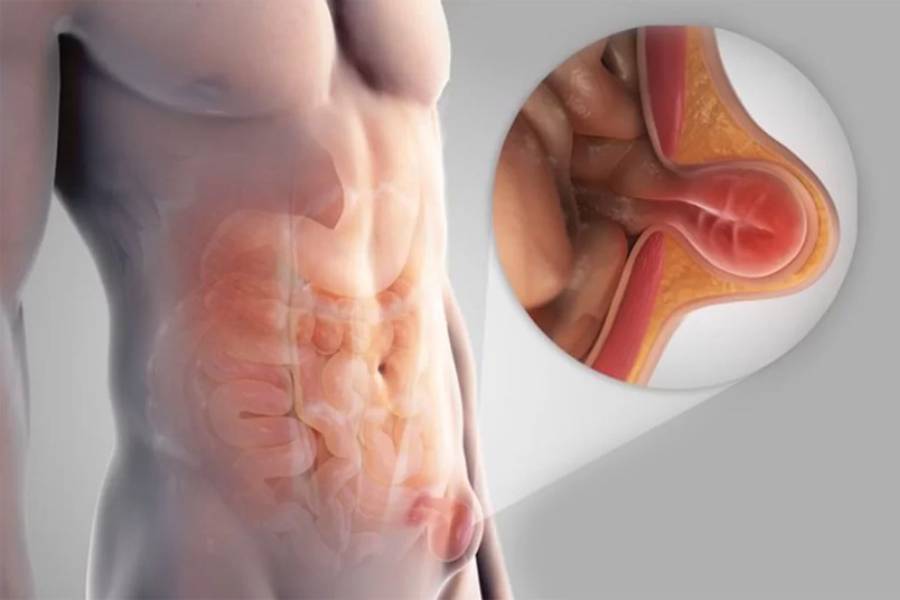
A hernia occurs when an internal organ or fatty tissue squeezes through a weak spot in the surrounding muscle or connective tissue called fascia. Think of it like an inner tube poking through a damaged tire. While hernias usually occur in the abdominal wall, they can also appear in the upper thigh, belly button, or groin areas. Understanding the hernioplasty meaning is essential here; it refers to the surgical repair where a mesh is used to reinforce the weak area. Unlike some minor ailments, a hernia does not heal on its own and typically requires the intervention of a hernia specialist doctor in Delhi to prevent complications like strangulation.
The Mechanics of a Hernia : A hernia consists of three main hernia parts:
- The Orifice: The opening or defect in the abdominal wall.
- The Sac: The lining (peritoneum) that pushes through the opening.
- The Contents: What is inside the sac—usually fat (omentum) or a loop of the intestine.
Types of Hernia Hernia
Not all hernias are the same. They are classified based on their location and the specific types of hernia involved. Dr. Jayadatt Pawar specializes in treating:
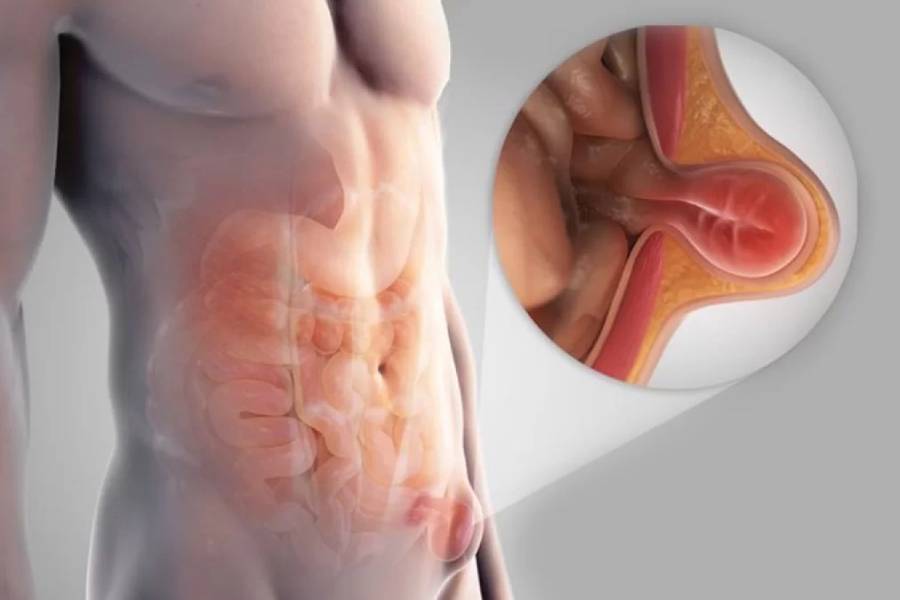
Inguinal Hernia
This is the most common type, appearing in the groin. It occurs when the intestines push through a weak spot in the inguinal canal. It is significantly more common in men due to the path the testicles take during fetal development.
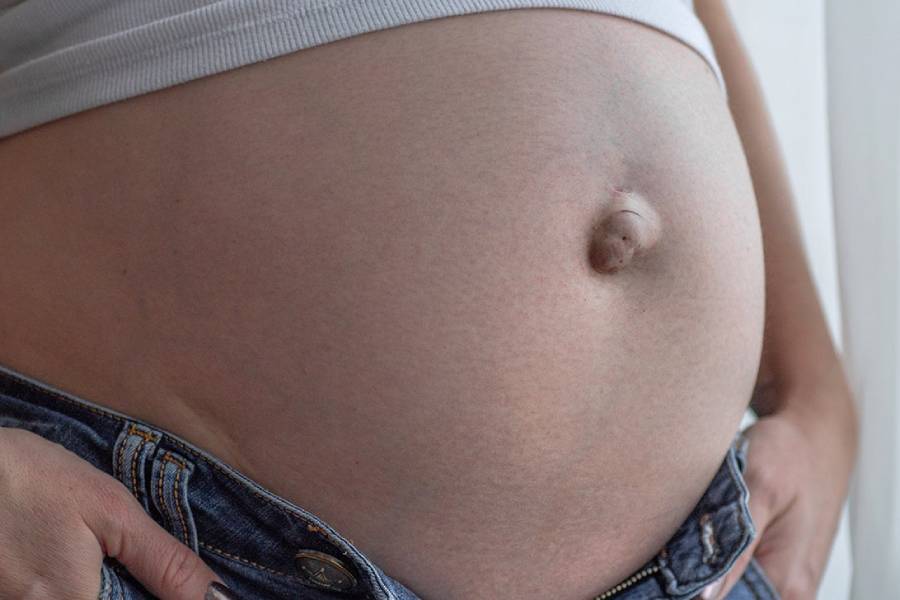
Umbilical Hernia
This occurs near the belly button (navel). It is common in newborns but can also affect adults due to obesity, multiple pregnancies, or heavy lifting. It often presents as a soft protrusion that "pops out" when you laugh or cough.
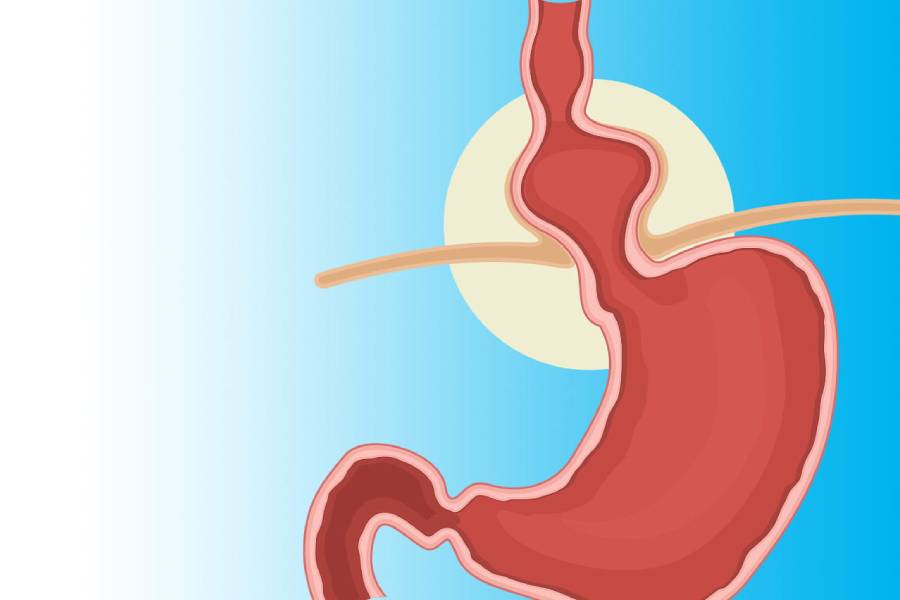
Hiatal Hernia
Unlike others, this occurs inside the body. A portion of the stomach with hernia pushes upward through the diaphragm into the chest cavity. This often causes severe acid reflux, chest pain, and "heartburn" that doesn't go away with antacids.
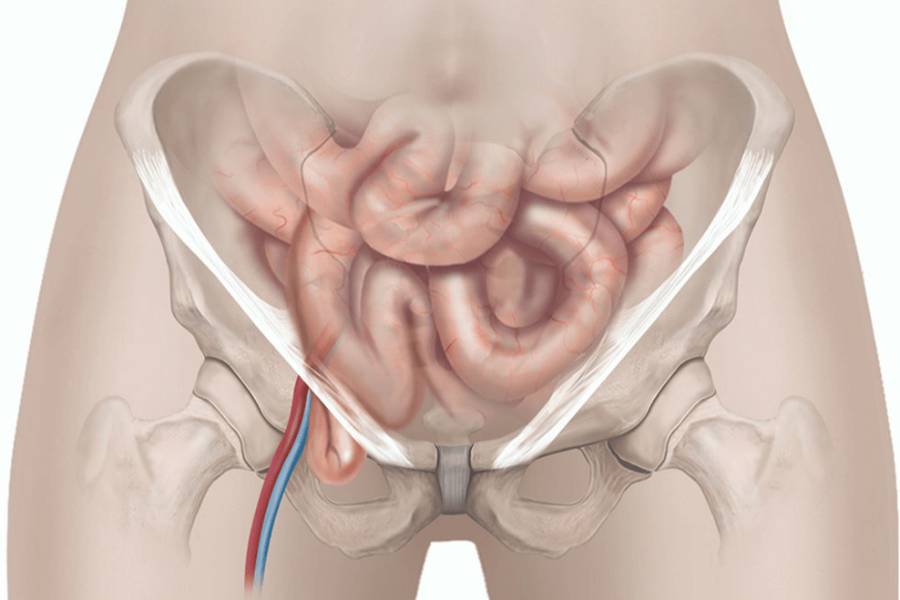
Femoral Hernia
Commonly seen in women, this occurs just below the groin crease in the upper thigh. These carry a higher risk of becoming "strangulated," making timely best hernia surgery in New Delhi vital.
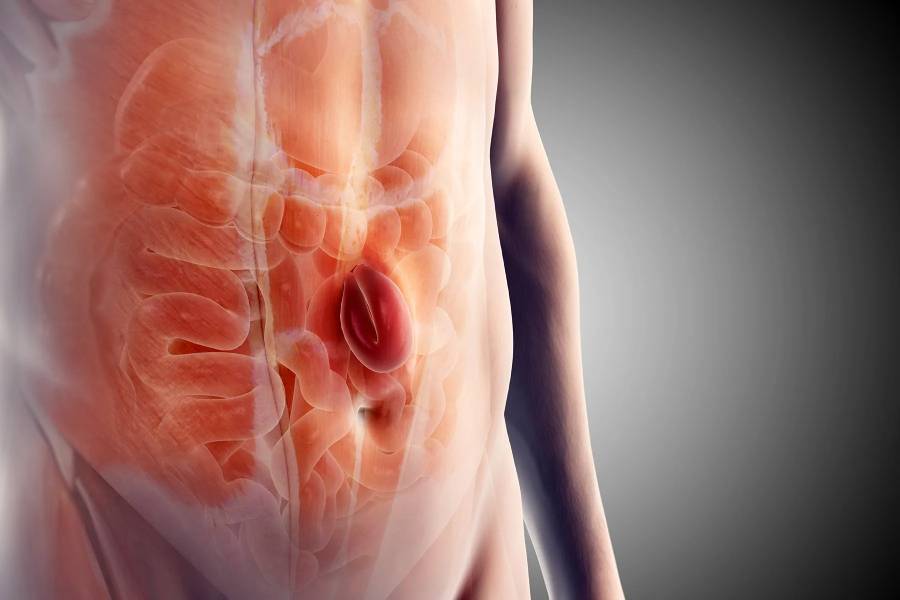
Incisional Hernia
If you have had a previous abdominal surgery, the scar tissue may weaken over time. An incisional hernia allows tissue to poke through the old incision site. These can be complex and require the expertise of the best hernia surgeon in India to repair effectively.
Epigastric Hernia
Occurs in the upper abdomen and may involve fatty tissue pushing through the abdominal wall.
Hernia Disease Symptoms
Recognizing hernia disease symptoms early can prevent emergency surgery. While some hernias are asymptomatic, most present with a visible lump.
Hernia Symptoms in Women
- Chronic Pelvic Pain: Often mistaken for gynecological issues or ovarian cysts.
- Aching Sensation: Discomfort that worsens during exercise or standing for long periods.
- Femoral Bulge: A small, painful lump in the upper thigh or groin.
Hernia of female patients often involves “hidden” hernias that require expert clinical diagnosis.
Hernia Symptoms in Men
- Visible Bulge: A lump in the scrotum or groin area that may disappear when lying down.
- Pressure: A feeling of heaviness or tugging in the groin.
- Sharp Pain: Intense pain when bending over, lifting heavy objects, or straining.
Hernia operation for men is frequently sought for inguinal types to restore mobility and prevent “incarceration.”
When Do You Need Hernia Surgery?
Many patients ask: “Can I wait?” The truth is, while some small hernias can be monitored, surgery is the only permanent cure. You should consult a hernia specialist hospital in Delhi if:
- The bulge is increasing in size or becoming firm.
- Pain is interfering with your daily activities or work.
- The hernia becomes “Incarcerated” (trapped and cannot be pushed back).
Red Flag: You experience nausea, vomiting, or redness over the bulge. This indicates a “strangulated” hernia, which is a life-threatening medical emergency.
Types of Hernia Surgeries Offered
Dr. Jayadatt Pawar utilizes the most modern hernia procedure types to ensure faster recovery and minimal scarring.
1. Laparoscopic Hernia Repair
As the best laparoscopic hernia surgeon in Delhi, Dr. Pawar uses a camera (laparoscope) and tiny incisions to repair the defect from the inside. This is the gold standard for most inguinal and umbilical repairs.
2. Open Hernia Surgery
Also known as herniorrhaphy, this involves a single larger incision. While traditional, it is still used for very large hernias or cases where previous surgeries make laparoscopy difficult.
3. Robotic Hernia Surgery
Dr. Pawar is a leading robotic hernia surgeon in New Delhi. Using the daVinci system, he performs complex repairs with 3D visualization and robotic precision. This allows for better mesh placement and even less pain than standard laparoscopy.
4. Minimally Invasive Hernia Procedures
These include hernioplasty and specific herniorrhaphy procedure variations that focus on “tension-free” repairs. Instead of just stitching the hole (which can tear), a medical-grade mesh is used to bridge the gap.
The Hernia Surgery Process
1. Diagnosis and Evaluation
The process begins at Happy Gut Clinic or Elysian Healthcare with a physical exam. Dr. Pawar may request an Ultrasound or CT scan to map the hernia parts and plan the surgical operation of hernia.
2. Pre-Surgery Preparation
You will be advised to fast for 6-8 hours. Some blood tests, chest X-rays, and an ECG are standard to ensure you are fit for anesthesia. Dr. Pawar’s team provides a detailed checklist for your “harni operation” prep.
3. Surgical Procedure Step-by-Step
- Anesthesia: General anesthesia is administered for your comfort.
- Incision: Small ports (laparoscopic) or a targeted incision (open) are made.
- Reduction: The protruding tissue is gently pushed back into the abdominal cavity.
- Hernioplasty: A prosthetic mesh is placed over the weakness and secured.
- Closure: The incisions are closed with dissolvable sutures or skin glue.
What to Expect: Before, During, and After Hernia Surgery
Getting the best hernia treatment in New Delhi involves three simple stages. Dr. Pawar’s team at Happy Gut Clinic and Amrita Hospital will guide you through each one.
A. Before the Surgery:
You will have a detailed talk with Dr. Jayadatt Pawar. He will explain herniorrhaphy causes—like muscle weakness or heavy lifting—and how to prepare. You might need simple blood tests or an ultrasound. You’ll be asked to stop eating 6–8 hours before the procedure and might need to pause certain medicines.
B. During the Surgery:
The surgical operation of hernia usually takes about 45 to 90 minutes. It happens in a high-tech, sterile Operation Theater (OT). If you choose Laparoscopic Hernia Surgery, Dr. Pawar will use tiny cameras and tools to fix the hole. You will be under general anesthesia, so you will sleep through the whole thing and feel no pain.
C. After the Surgery (Recovery):
Most patients go home within 24 hours.
- Day 1: You will be encouraged to start walking slowly.
- Week 1: You can usually climb stairs and drive a car.
- Month 1: Most daily activities are back to normal.
- Exercise: You should avoid heavy gymming or lifting very heavy weights for about 6 weeks to let the hernioplasty procedure heal completely.
Hernia Surgery Timing — When Is the Right Time?
Many people ask about Hernia Surgery Timing. Think of a hernia like a small hole in a sock—if you keep wearing the sock, the hole only gets bigger. It will never fix itself.
- Why wait? If you have a bulge that causes discomfort, now is the right time.
- The Danger of Waiting: If you wait too long, the hernia can become “strangulated” (trapped). This is a serious emergency where blood flow to the intestine stops.
- Safe Choice: Dr. Jayadatt Pawar recommends elective surgery. Fixing it when you are healthy is much safer and easier than waiting for an emergency. This is why he is considered the best hernia surgery doctor in Delhi.
Risks and Complications
Every surgery has some small risks, but under the care of the best hernia repair surgery doctor in Delhi, these are very low. Dr. Pawar uses the latest technology to keep you safe.
- Fluid Collection (Seroma): Sometimes, a little bit of fluid can collect where the hernia used to be. This usually goes away on its own.
- Bruising or Soreness: It is normal to have some minor bruising or a “tugging” feeling near the cuts for a few days.
- Temporary Numbness: You might feel some numbness in the groin area, which usually fades over time.
- Recurrence: This means the hernia coming back. With Dr. Pawar’s expert mesh placement, the chance of this happening is less than 1%.
- Infection: While very rare in a clean hospital like Elysian Healthcare, a small infection can occur but is easily treated with medicine.
By understanding these steps and risks, you can feel confident choosing Dr. Jayadatt Pawar for your care. He focuses on a “tension-free” repair to ensure your comfort and long-term health.
How to Prevent a Hernia
While you cannot always avoid a hernia, you can take simple steps to keep your stomach muscles strong. Most hernias happen because of too much pressure on a weak spot in your body. By making a few small changes in your daily life, you can lower your risk and avoid the need for a harni operation in the future.
Practical Steps to Prevent a Hernia
- Maintain a Healthy Weight: Carrying extra weight puts constant pressure on your abdominal muscles. Staying fit reduces the “push” against your inner walls, which helps prevent a stomach with hernia from developing.
- Eat High-Fiber Foods: Constipation is a big risk. When you strain to go to the bathroom, it creates intense pressure. Eating fruits and vegetables keeps your digestion smooth and prevents the straining that often leads to herniorrhaphy causes.
- Learn Proper Lifting: Many people get a hernia by lifting heavy things the wrong way. Always bend your knees and use your strong leg muscles rather than your back. If something is too heavy, don’t risk it—ask for help.
- Stop Smoking: Smoking often leads to a “smoker’s cough.” Constant coughing acts like a repetitive hit to your abdominal wall, which can cause a tear or lead to a surgical operation of hernia.
By following these simple habits, you can keep your body strong and healthy. Even after a hernioplasty procedure, these steps are the best way to make sure the hernia does not come back. If you ever feel a new lump or pain, it is best to visit a hernia specialist doctor in Delhi like Dr. Jayadatt Pawar for a quick check-up.
Why Choose Dr. Jayadatt Pawar in New Delhi?
He learned his skills from the “Father of Laparoscopy,” Dr. C. Palanivelu. This means he uses the best and most modern methods available today.
Experience matters. Dr. Pawar has performed more than 2,000 gastrointestinal surgeries. This includes over 300 major robotic surgeries and 100 bariatric (weight loss) surgeries.
He holds a super-specialization (FNB) in Laparoscopic and Robotic Surgery and a Fellowship (FCRS) from Hong Kong. He is also a certified daVinci robotic surgeon, which is the highest standard in medical technology.
He has written over 20 medical papers and is a member of top surgical groups like AMASI, IAGES, and ACRSI. This ensures he always uses the latest and safest treatments.
Dr. Pawar is not just a surgeon; he is also a teacher who trains new doctors. This shows how much he knows about the surgical operation of hernia.
He believes in treating patients like family. You can find him providing expert care at Amrita Hospital (Faridabad), Elysian Healthcare, and Happy Gut Clinic (Greater Kailash).
By choosing Dr. Jayadatt Pawar, you are choosing the best hernia surgeon in New Delhi. He uses his vast experience and the latest technology to make sure your hernioplasty procedure is safe, painless, and helps you get back to your normal life quickly.
Book a Consultation with the Best Hernia Surgeon in New Delhi
Don’t live with the discomfort or the “ticking time bomb” of an untreated hernia. Whether you are looking for a best hernia surgeon near me or specifically seeking the best hernia treatment in New Delhi, Dr. Jayadatt Pawar offers a permanent solution.
Amrita Hospital, Faridabad
Add: 4th floor, Room No 4425, Mata Amritanandamayi Marg, RPS City, Sector 88, Faridabad, Haryana 121014
Hours: Mon to Sat: 09 AM to 5 PM Phone No: +91 84382 83406Happy Gut Clinic
Add: R 17, Ground floor, Greater Kailash-1, New Delhi
Hours: Mon to Sat: 6 PM to 9 PM Phone No: +91 84382 83406Elysian Healthcare
Add: 3rd Floor, A-5, Block A, Kailash Colony, Greater Kailash, New Delhi, Delhi 110048
Hours: Mon to Sat: 6 PM to 9 PM Phone No: +91 84382 83406Frequently Asked Questions About Hernia Surgery
With modern laparoscopic and robotic techniques used by Dr. Jayadatt Pawar, hernia surgery is safe, less painful, and allows faster recovery.
In Hindi, a hernia is commonly known as “आंत उतरना” (Aant Utarna) or simply “हर्निया”. It describes a condition where an internal organ (usually the intestine) pushes through a weak spot in the muscle wall.
- Common Terms: People often use the word “गांठ” (Ganth) to describe the swelling or bulge they see.
- Symptoms in Hindi: Common symptoms include “सूजन” (Sujan/Swelling) or “दर्द” (Dard/Pain) in the lower stomach or groin area.
- Treatment: The only permanent cure for “Aant Utarna” is a surgical repair, which Dr. Pawar performs using painless laparoscopic techniques.
In Marathi, a hernia is referred to as “अंत्रवृद्धी” (Antravruddhi). This literally means the protrusion or growth of the intestines through the abdominal layers.
- Local Understanding: Patients in Maharashtra or those visiting Dr. Pawar from Marathi-speaking backgrounds often describe it as a “फुगवटा” (Phugavata), which means a bulge or swelling.
- Why it matters: Understanding the term helps patients explain their symptoms better to their families.
- Dr. Pawar’s Approach: Having trained extensively and worked with diverse patients, Dr. Jayadatt Pawar communicates clearly with patients in multiple languages to make them feel comfortable before their best hernia surgery in New Delhi.
A hernia cannot be cured with medicines, belts, or exercise. Once a hole or weak spot has formed in the muscle, it needs a mechanical fix.
- Laparoscopic Surgery: Small holes are made, and the doctor uses a camera to fix the hernia with a mesh.
- Open Surgery: A traditional cut is made to repair the wall.
- Robotic Surgery: This is the most advanced way. As a top robotic hernia surgeon in New Delhi, Dr. Pawar uses the daVinci system for the most precise repair.
- Hernioplasty: This means placing a medical-grade mesh over the weak area to ensure the hernia does not come back.
While you wait for your appointment with a hernia specialist hospital in Delhi, you can try these steps to manage the discomfort:
- Gentle Pressure: If the bulge pops out, lying down flat and gently pushing it back can sometimes relieve the pressure.
- Avoid Straining: Do not lift heavy weights and try to avoid constipation by drinking plenty of water.
- Ice Packs: Applying a cool pack to the area for 10-15 minutes can reduce swelling and dull the ache.
- Important Note: These are only temporary fixes. Dr. Jayadatt Pawar warns that masking the pain with tablets can be dangerous if the hernia gets stuck.
A hernia happens because of a combination of muscle weakness and excessive pressure. Think of it like a weak spot in a tire where the inner tube starts to poke through.
Common Causes:
- Lifting: Picking up heavy objects the wrong way.
- Chronic Cough: Constant pressure from smoking or lung issues.
- Straining: Pushing too hard during bowel movements.
- Old Age or Surgery: Muscles naturally weaken as we age or near old surgical scars (Incisional Hernia).
- Why it happens: Sometimes people are born with a weak spot, and other times it develops over years of physical stress.
You can perform a simple self-check at home, but a doctor’s diagnosis is always best.
- The Stand-Up Test: Stand in front of a mirror and look for any unusual lumps in your groin or near your belly button.
- The Cough Test: Place your hand over the suspected area and cough or strain. If you feel a “pop” or see a bulge appear, it is likely a hernia.
- The Lie-Down Test: See if the lump disappears when you lie down flat. If it goes away when lying down but returns when standing, it is a classic sign of a hernia.
- Consultation: If you find a lump, book a visit at Happy Gut Clinic or Amrita Hospital to see Dr. Jayadatt Pawar for a professional evaluation.