
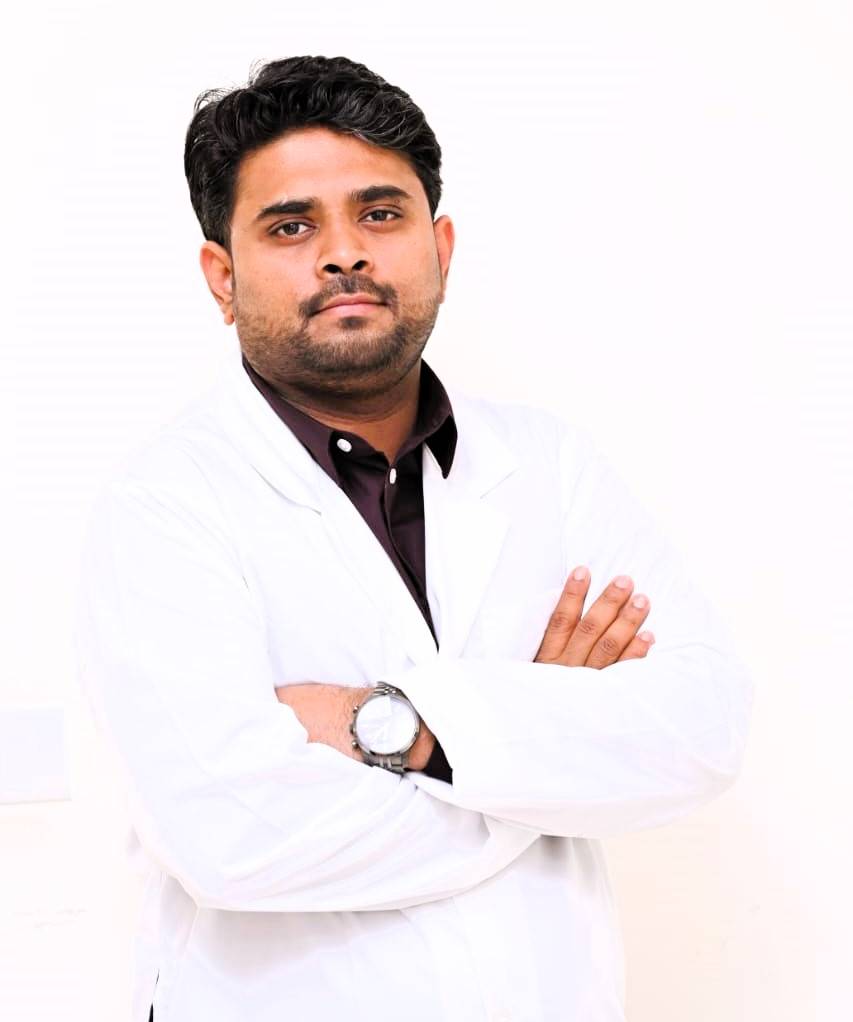
Dr. Jayadatt Pawar
MBBS, MS(General surgery), DNB, FMAS, FNB(Laparoscopic & Robotic surgery), FALS(Bariatric surgery)
Laparoscopic surgery is a modern method of surgery that uses small cuts instead of one large cut. It is commonly used to treat conditions such as hernia, gallbladder stones, appendicitis and some digestive system problems. In suitable patients, this approach may help reduce pain, leave smaller scars and support faster recovery.
If you are looking for a Laparoscopic Surgeon in Noida, it is important to choose a surgeon who has the right qualifications and experience in minimally invasive surgery.
Dr. Jayadatt Pawar is a Robotic and Laparoscopic Surgeon with over 15+ years of experience in gastrointestinal, bariatric and advanced laparoscopic surgery. He has completed 2,000+ GI surgeries. His approach focuses on proper diagnosis, clear communication and treatment based on each patient’s condition.
Dr. Jayadatt Pawar has completed MBBS, MS in General Surgery, DNB, FMAS, FNB in Laparoscopic and Robotic Surgery, and FALS in Bariatric Surgery. He has also completed FCRS (Fellowship in Colorectal Surgery) in Hong Kong. His training and experience help him assess patients who may need laparoscopic or robotic surgery.
What Is Laparoscopic Surgery?
Laparoscopic surgery is also called keyhole surgery or minimally invasive surgery. The surgeon operates through very small cuts, usually 5 to 12 mm long. There is no large incision on your abdomen.
It is used for many conditions of the stomach, intestines, gallbladder, appendix, hernia and thyroid. Today, it is the preferred approach for most routine and complex abdominal operations.
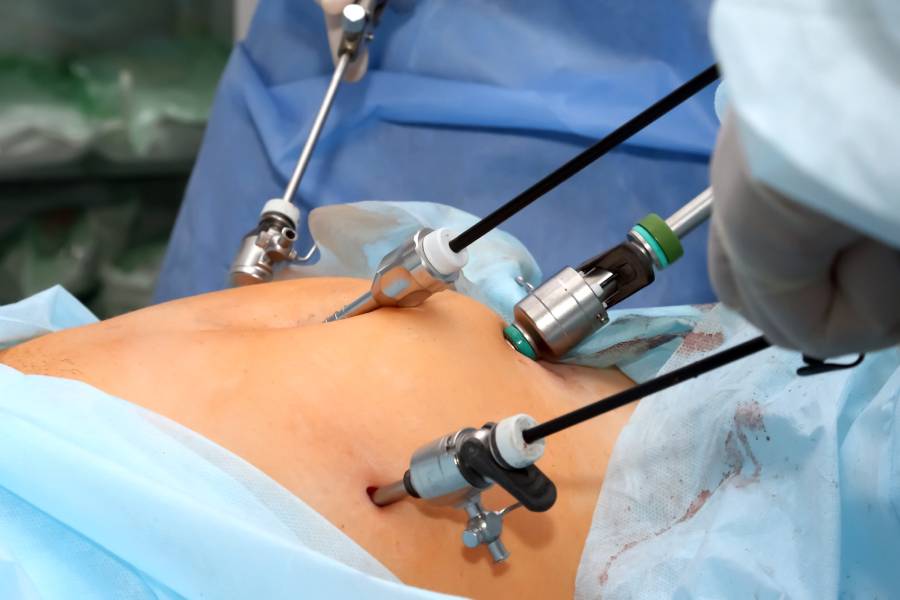
How Does Laparoscopic Surgery Work?
Laparoscopic surgery is performed under suitable anaesthesia. The exact steps depend on the type of operation. The surgeon first makes small cuts in the abdomen. A laparoscope is inserted to view the area that needs treatment. Special surgical instruments are then used to perform the required procedure.
In many abdominal operations, carbon dioxide gas is used to create enough space for the surgeon to work safely. After the operation, the instruments are removed, the gas is released and the small cuts are closed.
The number of cuts and the time required for surgery vary from patient to patient. In some cases, the surgeon may need to change to open surgery if it is safer for the patient.
Benefits of Laparoscopic Surgery:
Laparoscopic surgery has several benefits compared to traditional open surgery. The benefits may vary depending on the type of operation and the patient’s health.
- Small cuts: The surgeon makes a few small cuts instead of one large cut.
- Less pain: Many patients experience less pain after surgery.
- Smaller scars: Small cuts usually leave smaller scars.
- Shorter hospital stay: Many patients can go home sooner after certain procedures.
- Faster recovery: Patients may return to their daily activities earlier.
- Lower risk of wound problems: Some laparoscopic procedures have a lower risk of wound infections and other wound-related complications.
However, laparoscopic surgery is not suitable for every patient. Recovery and results depend on the type of surgery and the patient’s overall health. Your surgeon can help you understand whether this approach is right for you.
Laparoscopic Surgery Procedures Offered by Dr. Jayadatt Pawar
Dr. Jayadatt Pawar provides consultation and surgical evaluation for different conditions that may be treated with laparoscopic or minimally invasive surgery. The treatment depends on the patient’s condition and medical reports.
- Laparoscopic Hernia Repair: Used to treat different types of hernia, including inguinal, umbilical and incisional hernia.
- Laparoscopic Gallbladder Surgery: Helps remove the gallbladder in patients with gallstones that cause symptoms or other related problems.
- Laparoscopic Appendix Surgery: Used to remove the appendix in patients with appendicitis when laparoscopic surgery is suitable.
- Colorectal Surgery: Used to treat selected conditions affecting the colon and rectum.
- Bariatric Surgery: Helps eligible patients manage obesity and related health problems through weight-loss surgery.
- Gastrointestinal Surgery: Used to treat selected problems affecting the digestive system.
- Advanced Laparoscopic Surgery: Helps treat various abdominal conditions using specialised surgical techniques and small cuts.
Before recommending surgery, Dr. Jayadatt Pawar reviews the patient’s symptoms, medical history and test reports. He explains the available treatment options, their benefits and possible risks to help patients make an informed decision.
When Should You Consult a Laparoscopic Surgeon?
Many people ignore stomach problems for months. They think the pain will go away on its own. But some symptoms need a doctor’s attention. Please meet a specialist if you have any of these problems:
- Pain in the upper right side of your stomach again and again
- A lump or swelling in the groin, near the navel or on an old surgery scar
- Sudden, severe pain in the lower right side of your stomach
- Blood in the stool, or bowel habits that have changed for a long time
- Weight loss without any reason
- Gallstones seen in your ultrasound report
- Obesity along with diabetes or high blood pressure
Do not wait for the problem to become serious. Early advice can save you from complications. A timely laparoscopic surgery consultation with Dr. Jayadatt Pawar can often keep your treatment simple and safe.
If you are not sure whether your symptoms are serious, just come and get checked. It is always better to be safe.
Who Is a Suitable Candidate for Laparoscopic Surgery?
Most adults who need abdominal surgery can have the keyhole option. Even many senior citizens and patients with other health problems can go for it.
Whether you are suitable depends on a few things:
- Your diagnosis and how advanced the disease is
- Your general health, including your heart and lungs
- Any earlier surgery on your stomach area
- Your body weight
Every patient is different. Dr. Jayadatt Pawar checks your reports carefully and understands your full history. Then he explains everything in simple words.
If keyhole surgery is the safest choice for you, he will say so. If not, he will tell you honestly and suggest a better option. Your safety always comes first.
Laparoscopic Surgery Procedure: From Consultation to Recovery
Your treatment is planned step by step. You will always know what is happening and what comes next.
Consultation
First, Dr. Jayadatt Pawar listens to your problem. He checks your reports and examines you. Then he explains your treatment options in simple words.
Preoperative Assessment
Next, a proper preoperative assessment for laparoscopic surgery is done. This makes your surgery safer. The doctor asks about your medical history, regular medicines and any allergies. He also checks if you are fit for anaesthesia.
Tests Before Surgery
Basic tests before laparoscopic surgery may include blood tests, ECG, chest X-ray, and an abdominal ultrasound. Depending on the patient's condition, additional tests such as a CT scan, MRI, colonoscopy, or upper GI endoscopy may be required. The doctor will recommend the necessary tests based on the patient's health and type of surgery.
Risk Assessment
Then a laparoscopic surgery risk assessment is done. The team looks at your age, weight, diabetes, heart health and any past surgeries. This helps them plan the safest way to operate.
Surgery
The surgery is done under general anaesthesia. You will not feel any pain during the operation. Most surgeries take one to two hours.
Hospital Stay and Follow-Up
Most patients start walking on the same day. Many can go home in one to two days. After that, you come back for follow-up visits so the doctor can check your recovery.
Laparoscopic Surgery Recovery Time and Precautions:
Recovery after keyhole surgery is usually quick. But every patient heals at a different speed. Your age, health and type of surgery all matter.
Typical recovery time:
- Light daily work: within a few days
- Desk work or office work: around one to two weeks
- Heavy lifting and hard exercise: four to six weeks, or as your doctor advises
Precautions to follow at home:
- Take your medicines on time
- Keep the wounds clean and dry
- Walk a little every day. It helps blood flow and prevents clots
- Eat light and healthy food
- Drink plenty of water and eat fibre-rich food
- Do not lift heavy weights until your surgeon says it is safe
- Come for all your follow-up visits
Recovery after hernia surgery and bariatric surgery may need some extra care. Dr. Jayadatt Pawar will guide you at every step, so you do not have to worry. If you feel anything unusual during recovery, call the clinic without delay.
Why Choose Dr. Jayadatt Pawar as Your Laparoscopic Surgeon in Noida?
Choosing the right surgeon is an important decision. You need someone skilled, experienced and honest. Here is why thousands of patients trust Dr. Jayadatt Pawar:
Rich experience:
He has over 15 years of experience. He has completed 2000+ GI surgeries and treated 5000+ happy patients.
Strong qualifications:
He has done MBBS, MS (General Surgery) and DNB. He also holds FMAS from AMASI (2019), FNB in Laparoscopic & Robotic Surgery from GEM Hospital, Coimbatore (2023) and FALS (Bariatric Surgery).
FCRS from Hong Kong:
He has completed a Fellowship in Colorectal Surgery (FCRS) in Hong Kong. This gives him advanced training in colorectal surgery.
Robotic surgery expertise:
He is an accredited da Vinci robotic surgeon. He has performed 300+ robotic surgeries.
Awards and recognition:
He won the Bursary Award at AMASICON 2022. He was a Guest Speaker at AAPS Vietnam 2022. He also secured All India Rank 4 in FET 2021.
International faculty:
He has been invited as guest faculty at conferences in Vietnam, Italy (CRSA) and Seoul, South Korea.
Research work:
He has published over 20 papers in peer-reviewed journals.
Professional memberships:
He is a member of AMASI, IAGES and ACRSI.
Patient-friendly care:
He explains everything in simple words. He gives honest advice and always keeps your safety first.
When you consult Dr. Jayadatt Pawar, you get expert surgical care with a caring approach. You can ask your questions freely and make your decision with full confidence.
Frequently Asked Questions (FAQ's) About Laparoscopic Surgery:
Yes, but this happens only in rare cases. Conversion to open surgery may be needed if there is severe scarring, heavy bleeding or unclear anatomy. The surgeon takes this decision only for your safety. It does not mean the laparoscopic surgery has failed. Dr. Jayadatt Pawar will always discuss this possibility with you before the operation.
Most laparoscopic surgeries need three to four small incisions. The exact number depends on the type of procedure. Each cut is only about 5 to 12 mm long. These small cuts heal well and leave very small scars.
Shoulder pain after laparoscopic surgery is common and harmless. During surgery, carbon dioxide gas is used to inflate the abdomen. This gas can irritate the diaphragm, and the pain is felt in the shoulder. It is usually mild and settles within one to two days. Walking and light movement help to reduce it.
Most patients can climb stairs within one to two days. Driving is usually safe after about one week, once you stop taking strong painkillers. Desk work can start again in one to two weeks. Recovery time differs for every patient, so follow your surgeon’s advice.
Yes, in many cases it can. Old scars may make the surgery a little more complex. But many patients still qualify for the keyhole approach. An experienced surgeon will first check your reports and surgical history. Then he will decide the safest option for you.
Robotic-assisted surgery can be very helpful in complex cases. It gives a 3D, magnified view and very precise instrument movement. This is useful in complex hernia, colorectal and gastrointestinal surgeries. Dr. Jayadatt Pawar is an accredited da Vinci robotic surgeon with 300+ robotic surgeries. He will suggest robotic surgery only when it is truly beneficial for you.
Contact your surgeon immediately if you notice any of these signs:
- High fever or chills
- Severe or increasing abdominal pain
- Repeated vomiting
- Redness, swelling or pus at the wound
- Breathlessness or chest pain
- Yellow eyes or skin
- No passage of stool or gas
Early medical help can prevent serious complications.
If you have a hernia, gallbladder stones, appendicitis or another condition that may require surgery, consult a qualified surgeon to understand your treatment options.
Dr. Jayadatt Pawar provides surgical evaluation for suitable laparoscopic and robotic procedures based on each patient’s condition.
- Hospital: Yatharth Super Speciality Hospital, Plot No. 1, Lotus Panache, Sector 110, Noida, Uttar Pradesh 201304.
- Contact: +91 84382 83406
- Email: drjayadattpawar12@gmail.com
Book a consultation to discuss your symptoms, diagnosis and suitable treatment options. The recommended treatment will depend on your medical assessment and individual needs.
EXCELLENT Based on 41 reviews
 Posted on Google

 connecting doctors01/10/2026Dr Pawar was informative, polite and had great level of patience. He explained about disease and complications in hindi and easy way He was very helpful even after surgery..very approachable and sweet. My mother recovered quickly. Thank you Dr pawarPosted on Google
 DINESH NAGAR20/06/2026Better experience with doctor and teamPosted on Google
 Vikash Solanki18/06/2026Doctor jaydatta pawar Very good behavior & Very polite all staff give us best servicePosted on Google
 Salem Woldeyohannes19/05/2026Great surgeon with good follow upPosted on Google
 Maya Gupta16/04/2026I am really happy with Amrita Hospital and Doctor's...Main bhut presan thi stone se but yhan pe aake jo comfort zone mila....lga hi nhi ki dard me hun....Thank you Pwar Sir Thank you Vartika Ma'amPosted on Google
 Amit Kumar14/04/2026Wonderful Doctor, Great Patient Management. Thank you so much Dr. Pawar. You have been great help at Amrita HospitalPosted on Google
 Disha04/02/2026Dr. Jayadatta Gurudatta Pawar is an excellent surgeon. My laparoscopic cholecystectomy went smoothly without any complications. He is an extremely sweet and jovial person. All interactions with him were very reassuring and positive.