
When it comes to complex Pancreatic Cancer Treatment, few procedures are as life-changing and intricate as the Whipple Procedure. Performed by highly skilled surgeons, this surgery offers hope to patients diagnosed with pancreatic and periampullary cancers. Dr. Jayadatt Pawar, an Advanced Laparoscopic & Robotic Surgeon at Amrita Hospitals, Faridabad and Elysian Healthcare & Happy Gut Clinic, Greater Kailash, New Delhi, is a leading name in this field. With over 15+ years of experience in Gastrointestinal, Bariatric, and GI Oncology surgeries, Dr. Pawar has performed numerous successful pancreaticoduodenectomies (commonly known as the Whipple surgery). His expertise extends to hernia, gall bladder, appendix, upper GI, colorectal, piles, fissure, and fistula surgeries, using both laparoscopic and laser technology.
In this blog, we will understand what the Whipple Procedure is, how it helps in Pancreatic Cancer Treatment, and why choosing a Laparoscopic Surgeon in New Delhi like Dr. Jayadatt Pawar can make all the difference.
Understanding Pancreatic Cancer and Its Treatment Options:
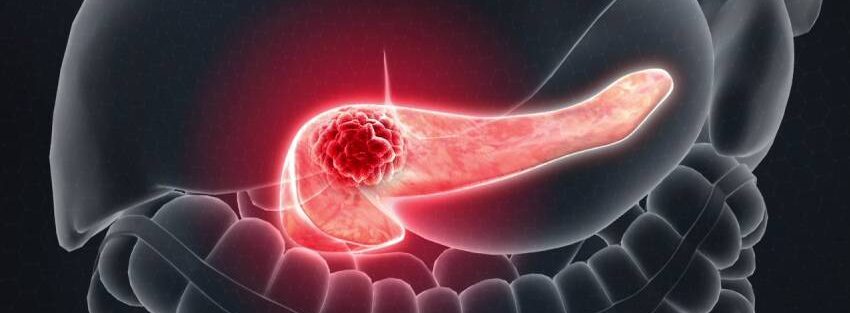
The pancreas is a vital organ located deep in the abdomen, responsible for producing enzymes and hormones that help in digestion and blood sugar regulation. Pancreatic cancer occurs when malignant cells develop in the tissues of the pancreas — often in the head region.
Symptoms to Watch For: Before deciding on the pancreas surgery name, doctors look for clinical signs that often overlap with other conditions:
- Jaundice: Yellowing of eyes/skin and dark urine.
- Persistent Pain: Severe upper abdominal pain that may radiate to the back.
- Weight Loss: Sudden loss of appetite and unexplained weight drop.
- Digestive Issues: Oily stools or new-onset diabetes.
Treatment options depend on the stage of cancer and may include:
- Surgery (Whipple Procedure or pancreaticoduodenectomy)
- Chemotherapy
- Radiation therapy
- Targeted or Immunotherapy
Among these, surgery remains the most effective curative approach when cancer is detected early and is confined to the pancreas.
What Exactly Is the Whipple Procedure?
The Whipple Procedure, also known as pancreaticoduodenectomy, is a major surgery used to remove cancer from the head of the pancreas. Whipple meaning: Named after Dr. Allen Whipple, who first described the operation, it involves the removal of the head of the pancreas, a portion of the bile duct, gallbladder, and part of the small intestine (duodenum).
This surgery aims to eliminate the tumor and reconstruct the digestive tract to allow normal digestion. The term “pancreas surgery name” most often refers to this very operation, as it’s the most common surgical procedure for pancreatic cancer. For patients who wonder about the Whipple surgery meaning, it can be thought of as a triple bypass surgery for the pancreas — because it involves rerouting digestive connections much like a heart bypass.
How the Whipple Surgery Helps in Treating Pancreatic Cancer?
The Whipple Procedure helps by removing the cancerous portion of the pancreas and nearby tissues, preventing the spread of the disease. It is the only potential cure for patients with localized pancreatic cancer. When performed by an expert like Dr. Jayadatt Pawar, this surgery not only removes the tumor but also restores digestive continuity.
Some patients refer to this complex anatomical region as the “tunnel of love pancreas” — a delicate area where several organs meet and interact. Hence, it’s crucial that only highly trained pancreatic cancer specialists perform the tunnel of love surgery to minimize risks.
Who Can Undergo the Whipple Procedure?
Not every pancreatic cancer patient is a candidate for this surgery. The Whipple Procedure is best suited for:
- Patients with tumors located in the head of the pancreas
- Cancer that hasn’t spread to major blood vessels or distant organs
- Individuals with good overall health capable of tolerating major surgery
Dr. Jayadatt Pawar conducts a thorough evaluation using imaging tests and blood work before recommending surgery. His multidisciplinary team ensures that every patient receives a personalized Pancreatic Cancer Treatment plan.
Whipple Procedure Steps:
Here’s a simplified explanation of the Whipple Procedure steps:
- Anaesthesia and Preparation – The patient is put under general anaesthesia.
- Abdominal Incision – The surgeon makes an incision in the abdomen to access the pancreas.
- Removal Phase – The head of the pancreas, duodenum, gallbladder, and part of the bile duct are carefully removed. In some cases, part of the stomach is also taken out.
- Reconstruction Phase – The surgeon reconnects the remaining pancreas, bile duct, and stomach to the small intestine, ensuring normal digestive flow.
- Closure and Recovery – After checking for leaks, the incision is closed, and the patient is moved to recovery.
This complex pancreas removal procedure may take 5 to 8 hours and requires surgical precision. The Whipple surgery scar usually fades with time, though minimal-access techniques can make it even less visible
Recovery and Post-Surgery Care:
After a Whipple Procedure, recovery takes time and involves careful monitoring. Patients usually stay in the hospital for 7–14 days.
Post-Surgery Diet & Support:
- Enzyme supplements to aid digestion: Essential since part of the organ is removed.
- Small Meals: Eating 6-8 small meals instead of 3 large ones helps the “new” digestive path.
- Pain management and wound care.
- Gradual reintroduction of liquids and food.
- Regular follow-ups for cancer surveillance.
Patients often wonder, “Can a person survive without a pancreas?” The answer is yes, but life becomes more challenging due to the need for lifelong insulin and enzyme replacement. However, in the Whipple Procedure, only part of the pancreas is removed, allowing partial preservation of pancreatic function. With proper care and expert surgical hands, many patients recover well. Interestingly, the longest someone has lived after Whipple surgery is over 20 years, showcasing the potential for long-term survival when surgery is done timely and effectively.
Can the Whipple Surgery Be Performed Laparoscopically?
Yes! With advancements in minimally invasive and robotic surgery, the Whipple Procedure can now be performed using laparoscopic or robotic techniques. Dr. Jayadatt Pawar, being an Advanced Robotic Surgeon in New Delhi, performs the Whipple surgery laparoscopically in suitable cases. This approach offers:
- Smaller Whipple surgery scars
- Faster recovery
- Less post-operative pain
- Shorter hospital stays
However, laparoscopic or robotic pancreaticoduodenectomy requires a highly experienced surgeon — making Dr. Pawar one of the preferred choices for Whipple surgeries in New Delhi and Faridabad.
Estimated Cost of Whipple Surgery in India:
The cost of Whipple Surgery in India depends on several factors such as hospital infrastructure, surgical expertise, and patient condition. On average:
- Traditional Whipple Procedure: ₹5–8 lakhs
- Laparoscopic/Robotic Whipple Procedure: ₹7–12 lakhs
These costs include pre-surgery tests, surgeon’s fees, hospital stay, and post-operative care. Considering Dr. Jayadatt Pawar’s experience and precision, patients receive high-quality care with excellent success rates at reasonable prices.
Choosing the Right Surgeon for the Whipple Procedure:
Selecting the right surgeon is the most crucial step in achieving successful outcomes. The Whipple Procedure demands advanced surgical skills, understanding of complex anatomy, and experience in managing post-surgical care.
When choosing a pancreatic cancer specialist in India, consider:
- Experience in pancreaticoduodenectomy
- Use of advanced laparoscopic or robotic techniques
- Association with reputed hospitals
- Comprehensive patient care and follow-up
Why Dr. Jayadatt Pawar Is a Trusted Pancreatic Cancer Specialist in New Delhi and Faridabad?
Dr. Jayadatt Pawar stands out as one of the most trusted names for Pancreatic Cancer Treatment in India.
Here’s why patients across the country rely on him:
- Over 15+ years of experience in Advanced Laparoscopic, Bariatric, GI Oncology, and Robotic Surgery
- Performs Whipple Procedure with precision and care
- Associated with top healthcare institutions like Amrita Hospitals, Faridabad, and Elysian Healthcare & Happy Gut Clinic, Greater Kailash, New Delhi
- Known for compassionate, patient-centric care and transparent guidance
- Expert in performing complex pancreatic, colorectal, and upper GI surgeries
- Recognised for minimally invasive and robotic Whipple procedures that ensure faster recovery and minimal scarring
Patients who undergo the Whipple Procedure under Dr. Pawar’s care receive comprehensive pre- and post-surgery management, ensuring the best possible outcomes.
Conclusion: Tunnel of Love in Pancreas
The Whipple Procedure (or pancreaticoduodenectomy) remains the cornerstone surgical option for Pancreatic Cancer Treatment. While it’s a challenging and intricate operation, success rates have significantly improved thanks to advances in surgical technology and the expertise of specialists like Dr. Jayadatt Pawar. Whether it’s understanding the Whipple procedure steps, managing the tunnel of love pancreas, or recovering from pancreas removal, having an expert surgeon by your side can make all the difference.
If you or your loved one has been advised pancreatic surgery, consult Dr. Jayadatt Pawar, one of India’s leading GI Oncology and Robotic Surgeons, for expert opinion and advanced treatment options. You can visit him at the Happy Gut Clinic, Greater Kailash, New Delhi, for personalised care and guidance. For appointments or queries, contact +91 8438283406.