
Thyroid Surgery: When It’s Needed and What to Expect?

  • Home
  • Blogs
  • Thyroid Surgery: When It’s Needed and What to Expect?
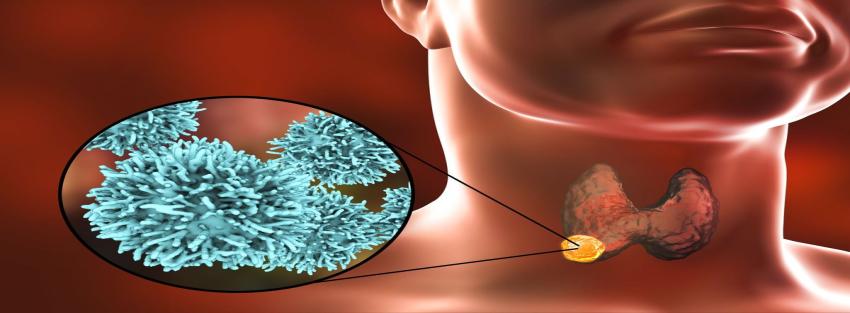
Thyroid Surgery procedure showing thyroidectomy – When Is Thyroid Surgery Needed treatment guide

Thyroid disorders are incredibly common in India, affecting millions of people. While many conditions can be managed with tablets, sometimes the best solution is a surgical one. If you are looking for the Best Thyroid Surgery in New Delhi, you need a specialist who combines precision with a gentle touch. Dr. Jayadatt Pawar, a leading surgeon with over 15 years of expertise, specializes in advanced thyroidectomy procedures. Whether it is a small nodule or a large goiter, his patient-first approach at Amrita Hospital Faridabad, Elysian Healthcare, and Happy Gut Clinic ensures you are in the safest hands.

What is Thyroidectomy Disease? (Thyroidectomy Meaning)?

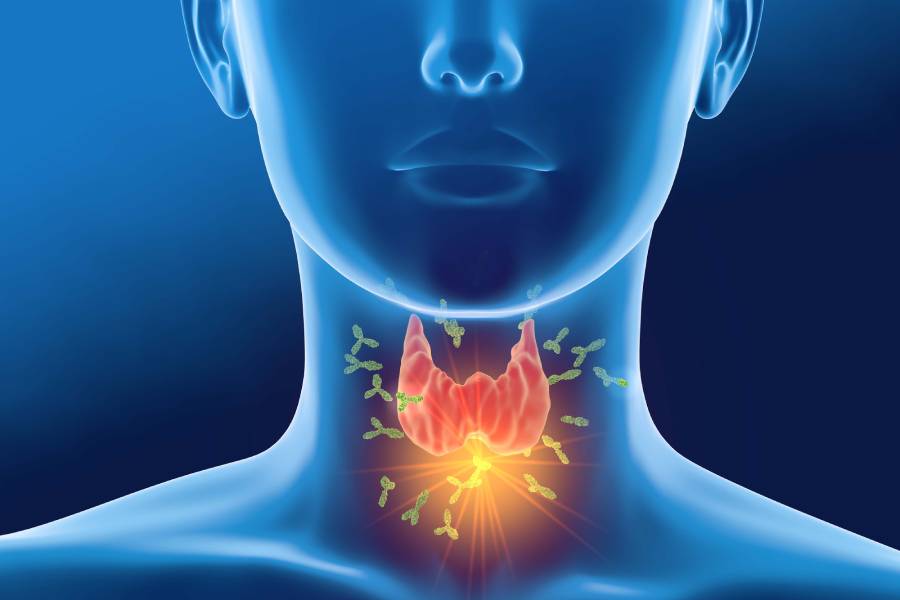
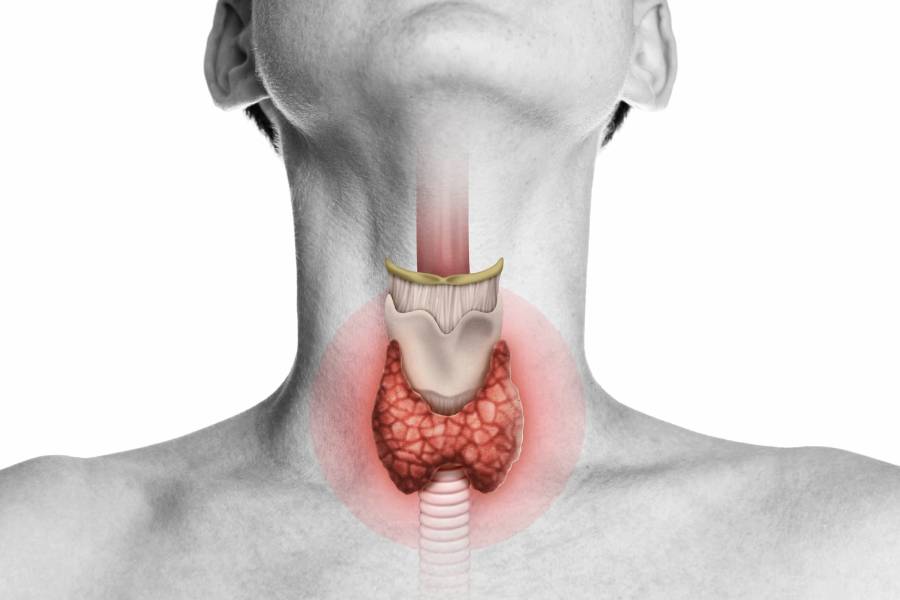
Many patients ask, “What is thyroidectomy?” or if it is a disease itself. To clarify, thyroidectomy is not a disease; it is the thyroid gland removal surgery used to treat various diseases of the thyroid gland. The thyroid gland location is in the front of your neck, just below the “Adam’s apple.”

In thyroid gland anatomy, it is a butterfly-shaped organ that wraps around the windpipe (trachea). It produces hormones that control your metabolism—essentially the “battery” of your body. A thyroidectomy procedure involves the surgical removal of all or part of this gland. When the gland becomes “diseased”—due to cancer, overactivity, or extreme swelling—surgery becomes the necessary cure.

When Is Thyroid Surgery Needed?

Not every thyroid issue requires an operation. However, there are specific indications for thyroidectomy where surgery is the gold standard of treatment:

1️⃣ Thyroid Cancer Surgery

If a biopsy confirms malignancy, surgery is the primary treatment to remove the cancerous cells.

2️⃣ Thyroid Surgery for Goiter

A goiter is an enlarged thyroid. If it grows large enough to cause “compression symptoms” (difficulty breathing or swallowing), a goiter removal surgery is required.

3️⃣ Hyperthyroidism

When the thyroid gland produces too many hormones and doesn’t respond to medicine or radioactive iodine.

4️⃣ Suspicious Nodules

If a lump in the neck looks “suspicious” on an ultrasound, even if not yet confirmed as cancer, surgery may be advised.

Symptoms That May Indicate You Need Surgery:

If you notice these signs, it is time to consult a specialist like Dr. Jayadatt Pawar:

  • A visible lump or swelling in the front of the neck.
  • Difficulty swallowing food or liquids (dysphagia).
  • Shortness of breath or a feeling of “tightness” in the throat.
  • Hoarseness or unexplained changes in your voice.
  • Rapidly growing neck masses.
Diagnostic Tests Before Goitre Operation:

Before your thyroidectomy surgery, Dr. Jayadatt will recommend a few essential tests to plan the procedure:

  • Blood Tests: To check T3, T4, and TSH levels.
  • Ultrasound (USG) Neck: To see the size and structure of the thyroid gland gland.
  • FNAC (Fine Needle Aspiration Cytology): A simple needle test to check if a nodule is cancerous.
  • CT Scan: Usually done for very large goiters to see how deep they go into the chest.
Thyroidectomy Surgery Types:
Total Thyroidectomy

In a total thyroidectomy, the entire thyroid gland is removed. This is the most common approach for thyroid cancer surgery or large, multinodular goiters. Since the whole gland is gone, you will need thyroid hormone replacement tablets daily after the procedure.
Hemithyroidectomy

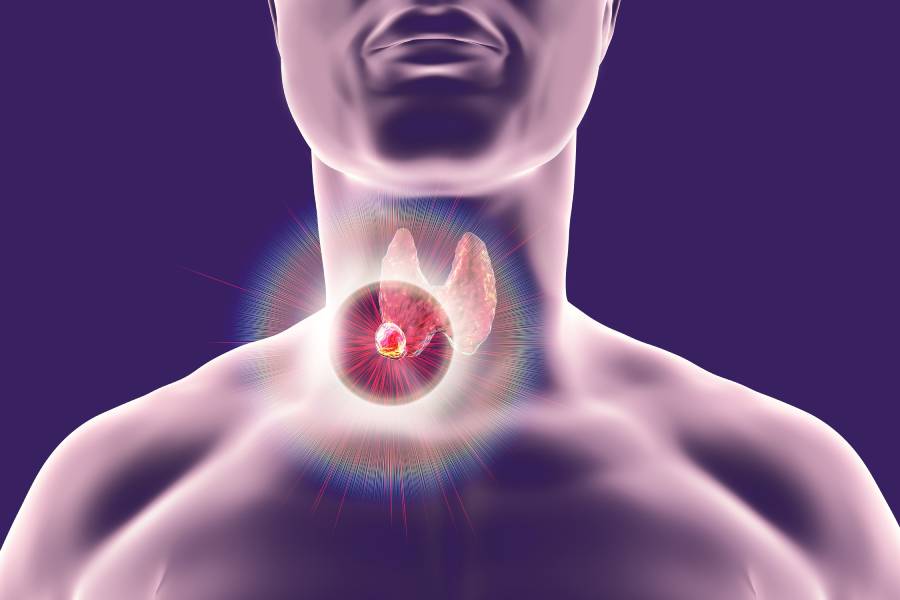
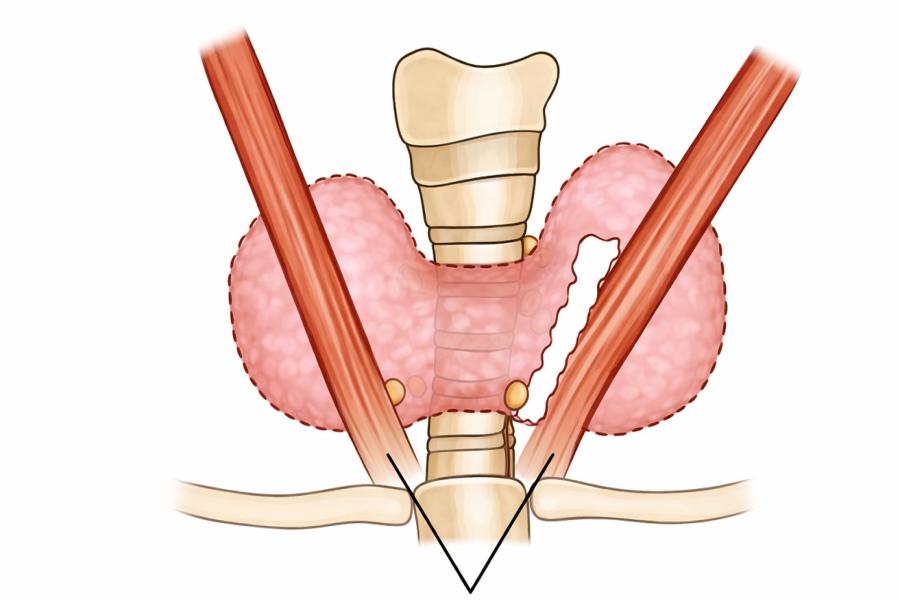
This involves removing only one lobe (half) of the thyroid. Dr. Pawar often chooses a hemithyroidectomy for a single suspicious nodule. The advantage is that the remaining half can often produce enough hormones, so you may not need lifelong medicine.
Near Total Thyroidectomy

In this thyroidectomy procedure, almost the entire gland is removed, but a tiny bit of tissue is left behind. This is done specifically to protect the nerves that control your voice and the glands that manage your body's calcium levels.
Subtotal Thyroidectomy

A subtotal thyroidectomy leaves a small amount of thyroid tissue on both sides of the neck. This "buffer" of tissue helps maintain some natural hormone production while still effectively treating the underlying thyroid gland issue.

Dr. Jayadatt Pawar will help you decide which surgery is best for your health during a consultation Happy Gut Clinic, Greater Kailash, New Delhi.

What to Expect Before Thyroid Surgery?

Preparation is key to a smooth thyroidectomy recovery time.

  • Medication Review: You may need to stop blood thinners a few days before.
  • Fasting: You must not eat or drink anything for 8 hours before the surgery (NPO).
  • Medical Clearance: A routine check of your heart and lungs to ensure you are fit for general anesthesia.
  • Mental Prep: Is thyroidectomy dangerous? In the hands of an expert like Dr. Pawar, it is a very safe and routine procedure with a high success rate.
What Happens During Thyroidectomy? (Surgical Steps)

The thyroidectomy surgical steps are performed under general anesthesia (you will be fast asleep).

  • Incision: A small, horizontal cut is made in a natural skin crease in the neck to make the scar less visible.
  • Access: The surgeon carefully moves the neck muscles aside to reach the thyroid gland.
  • Protection: This is the most critical part. The surgeon identifies and protects the recurrent laryngeal nerves (which control your voice) and the parathyroid glands (which control calcium).
  • Removal: The diseased part of the thyroid is removed.
  • Closing: The incision is closed with sutures or surgical glue, that results in a minimal scar.
What to Expect After Thyroid Surgery?

Once the surgery is over, the recovery phase begins.

  • Immediate Recovery: You will wake up in the recovery room. You might have a “sore throat” from the breathing tube.
  • Hospital Stay: Most patients go home within 24 to 48 hours.
  • Pain Management: Mild neck pain and stiffness are common but easily managed with basic painkillers.
  • Diet: You can usually start drinking water and eating soft foods the same evening.
Risks and Possible Complications in Thyroid Surgery:

While rare, every surgery has potential thyroidectomy risks. Being aware helps in early detection:

  • Thyroidectomy Side Effects: Temporary hoarseness or a weak voice.
  • Hypocalcemia: Damage to the tiny parathyroid glands can cause low calcium levels, leading to tingling in fingers or toes.
  • Bleeding: A complication of total thyroidectomy could be a “hematoma” (blood collection), which might cause breathing issues.
  • Infection: Very rare in neck surgeries.
Life After Thyroid Removal Surgery:

Life goes back to normal quite quickly!

  • Thyroid Hormone Replacement: If you had a total thyroidectomy, you will need to take a small pill (levothyroxine) every morning for life. This replaces the hormones your gland used to make.
  • Scar Care: The scar usually fades into a thin white line over 6–12 months.
  • Energy Levels: Once your hormone levels are balanced, you will feel just as energetic as before.
Cost of Thyroid Surgery in India:

The thyroidectomy cost in India is quite affordable compared to Western countries. In 2026, the average cost ranges from ₹50,000 to ₹1,80,000, depending on the hospital, the type of surgery (laparoscopic vs. open), and the room category. Using advanced robotic or minimally invasive techniques may increase the cost slightly but offers a much faster recovery.

When to Contact Dr. Jayadatt Pawar for Thyroid Removal Surgery?

Choosing the best thyroidectomy surgeon is vital for protecting your voice and ensuring a cancer-free outcome. Dr. Jayadatt Pawar offers:

15+ Years of Experience

Thousands of successful surgeries.

Minimally Invasive Techniques

Smaller scars and less pain.

Comprehensive Care

From diagnosis to post-op hormone management.

If you have a neck lump, difficulty swallowing, or have been diagnosed with a thyroid nodule, do not wait. Early intervention is the key to a simple recovery.

Conclusion:

Thyroid surgery can be life-changing, especially for those suffering from the discomfort of a large goiter or the stress of a cancer diagnosis. Understanding the thyroidectomy meaning and what happens during the thyroidectomy procedure can help ease your anxiety.

Book a consultation with Dr. Jayadatt Pawar or Contact Dr. Jayadatt Pawar at:

FAQs On - Thyroidectomy (Thyroid gland):

The thyroid gland location is in the front of your neck. It sits right at the base of your throat, shaped like a butterfly. It’s two “wings” (lobes) wrap around your windpipe (trachea).

The location is exactly the same for both men and women. However, in men, it sits just below the “Adam’s apple,” while in women, the area is smoother, but the gland is in the same spot.

The word “thyroid” comes from the Greek word thyreoeides, which means “shield-shaped.” In medical terms, it refers to the butterfly-shaped endocrine gland that produces hormones to regulate your body’s energy.

The role of the thyroid gland is to act as the body’s “control center” for metabolism.

  • Energy Management: It decides how fast your cells burn energy.
  • Heart Rate: It influences how fast your heart beats.
  • Temperature: It helps maintain your body heat.
  • Growth: In children, it is vital for brain and bone development.

In Hindi, the thyroid gland is commonly referred to as “थायराइड ग्रंथि” (Thyroid Granthi). When it swells up significantly, it is often called “घेघा” (Goitre).

When people ask “why thyroid occurs,” they usually mean thyroid disease. Problems occur due to:

  • Iodine Deficiency: Not getting enough iodine in your salt/diet.
  • Autoimmune Issues: Your body’s defense system attacks the gland.
  • Nodules: Small lumps or cysts growing on the gland.
  • Genetics: It often runs in families.

Many patients ask, “Is thyroidectomy dangerous?” because the neck is a sensitive area.

  • The Reality: Modern thyroidectomy surgery is considered very safe.
  • Expertise Matters: While every surgery has risks, complications like voice changes or low calcium are extremely rare when performed by an expert like Dr. Jayadatt Pawar.
  • Safety First: At Amrita Hospital and Elysian Healthcare, Dr. Pawar uses advanced monitoring technology to protect your nerves during the thyroidectomy procedure.