

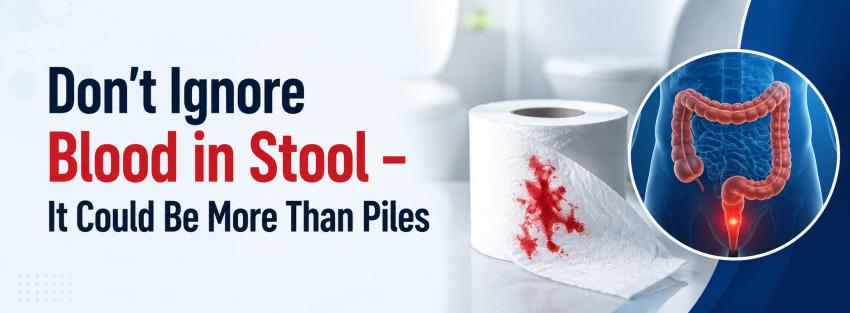
Did you see blood in your stool? This can make anyone worried. Most people think it is only piles. But this is not always true. Blood in stool can be a sign of many different problems, some small and some serious.
Dr. Jayadatt Pawar is a well-known Colorectal Surgeon in New Delhi. He has 15+ years of experience in treating stomach and intestine problems. He has done 2,000+ GI surgeries. He has treated 5,000+ happy patients. His success ratio is 95%. Because of his deep experience, he knows how to find the real cause of bleeding, fast and correctly.
In this blog, we will explain why you should never ignore blood in stool, even if you think it is “just piles.” We will also tell you what tests are needed, what treatments are available, and when you should worry.
Blood in Stool: Is It Always Because of Piles?
No, it is not always piles. Piles (haemorrhoids) is one common cause of bleeding. But blood can also come from many other problems. It can be due to anal fissure, anal fistula, colon polyps, or even colorectal cancer. Sometimes it is due to inflammatory bowel disease too.
This is why you should not guess on your own. Only a proper check-up by a doctor can tell the real cause. Many people feel shy to go to a doctor for this problem. But this delay can be harmful.
What Does Blood in Stool Look Like?
Blood can look different, depending on where it is coming from in the body:
- Bright red blood on toilet paper or on top of stool – this is often due to piles or anal fissure. The bleeding happens near the anus, so the blood looks fresh and bright.
- Dark red or maroon blood – this may come from a higher part of the intestine, like the colon.
- Black, tarry stool – this can mean bleeding from the stomach or the upper part of the digestive system. This type needs urgent attention.
Noticing the colour and pattern of bleeding can help the doctor understand the cause faster.
Common Causes of Blood in Stool:
There are many reasons why a person may see blood in stool. Some of the common causes are:
- Internal piles and external piles
- Anal fissure (a small tear in the skin near the anus)
- Anal fistula (an abnormal tunnel near the anus)
- Colon polyps (small growths inside the colon)
- Colorectal cancer
- Colon cancer symptoms
- Rectal cancer symptoms
- Inflammatory bowel disease
- Ulcerative colitis
- Crohn’s disease
- Diverticular disease (small pouches forming in the intestine wall)
Some of these causes are simple and easy to treat. Others need careful and timely treatment.
Piles Vs. Other Causes of Rectal Bleeding:
It is important to know the difference between piles and other, more serious causes of bleeding.
Piles usually cause bleeding without pain. The blood is bright red and comes during or after passing stool. Anal fissure, on the other hand, causes sharp pain along with bleeding, especially during motion.
Colorectal cancer is more serious. It may come with other symptoms too, like weight loss, change in bowel habits, tiredness, or loss of appetite. These symptoms do not always show up early, which is why regular check-ups are important.
A Piles Specialist can examine you and tell you the exact cause. Do not try to guess this at home.
Why You Should Not Ignore Blood in Your Stool?
Many people wait for weeks or months, thinking the bleeding will stop on its own. Some people also feel embarrassed to talk about it. This delay can be very risky.
If the real cause is something serious, like colorectal cancer or inflammatory bowel disease, waiting too long can allow the problem to grow. Early check-up always gives better results and simpler treatment.
Remember, even a small amount of blood should not be ignored. It is always better to get checked than to assume it is nothing.
When Is Blood in Stool a Warning Sign?
You should see a doctor at once if you notice any of these signs along with bleeding:
- Blood in stool with unexplained weight loss
- Change in bowel habits lasting more than a few weeks (loose motion or constipation)
- Bad or ongoing stomach pain
- Feeling weak or tired all the time
- Blood mixed inside the stool, not just on top
- Loss of appetite
If you notice these signs together, do not delay. Book a consultation as soon as possible.
Other Conditions That Can Cause Rectal Bleeding:
Rectal bleeding is not always due to piles. It can also happen because of:
- Inflammatory bowel disease – a group of conditions that cause swelling in the digestive tract
- Ulcerative colitis – a condition that affects the inner lining of the colon
- Crohn’s disease – a condition that can affect any part of the digestive tract
- Diverticular disease – small pouches in the intestine wall that can bleed or get infected
These conditions need long-term care and monitoring. An expert Colorectal Surgeon in New Delhi can guide you on the right treatment plan.
How Is the Cause of Blood in Stool Diagnosed?
Diagnosis starts with a simple conversation. The doctor checks a few things first:
- Your symptoms
- Your food habits
- Your family history
- How long you have had the bleeding
Dr. Jayadatt Pawar looks at each case carefully. He does this before suggesting any test. He believes correct diagnosis is the first step to correct treatment. He also makes sure the patient feels comfortable during the check-up. Many people feel nervous talking about this problem. He understands this and keeps the process simple and easy.
Tests Doctors May Recommend for Rectal Bleeding:
Depending on your symptoms, the doctor may suggest one or more of these tests:
- Digital rectal examination – a simple physical check
- Colonoscopy – to look inside the colon using a small camera
- Proctoscopy – to check the rectum and anus closely
- Stool test – to check for hidden blood or infection
- Blood test – to check for anaemia or other issues
- CT scan or MRI – if the doctor needs a more detailed picture
These tests help the doctor understand exactly what is causing the bleeding, so that the treatment can be planned correctly.
Treatment for Blood in Stool Depends on the Cause:
There is no single treatment that works for everyone. Treatment always depends on the exact cause found during diagnosis:
- Piles Treatment in New Delhi – can be managed with medicine, laser treatment, or minor surgery, depending on the stage
- Anal fissure – often treated with medicine, diet changes, or a small procedure
- Anal fistula – usually needs a small operation to close the abnormal tunnel
- Colon polyps – can be removed during colonoscopy itself, in most cases
- Colorectal cancer – needs surgery, and sometimes other treatments like chemotherapy
- Inflammatory bowel disease – managed with long-term medicine and lifestyle changes
Dr. Jayadatt Pawar is a Best Laparoscopic Surgeon and a skilled Robotic Surgeon. He offers modern, minimally invasive surgery options, which means smaller cuts, less pain, and faster recovery for patients.
Can Blood in Stool Be Prevented?
While not all causes can be prevented, you can lower your risk with these simple habits:
- Eat more fibre-rich food, like fruits, vegetables, and whole grains
- Drink enough water every day
- Avoid sitting for too long in one place
- Do regular exercise, even a daily walk helps
- Avoid straining too much during motion
- Do not ignore early signs like itching, pain, or occasional bleeding
- Go for regular health check-ups, especially after the age of 45
Small changes in daily routine can make a big difference in digestive health.
Why Early Diagnosis Is Important?
Early diagnosis can truly save lives. Many serious conditions, including colorectal cancer, are very treatable when they are found early. When the problem is caught late, treatment becomes more difficult and recovery takes longer.
This is why doctors always recommend that any bleeding, even if it seems small, should be checked without delay.
Conclusion:
Blood in stool should never be ignored or automatically assumed to be piles. It can result from simple conditions like haemorrhoids or fissures, but it may also indicate more serious bowel problems. Early diagnosis helps identify the exact cause and allows timely treatment. If you notice persistent or unexplained bleeding, consult an experienced GI or Colorectal Surgeon in New Delhi for proper evaluation. Book an appointment with Dr. Jayadatt Pawar for expert evaluation and personalised treatment guidance.
Frequently Asked Questions About Blood in Stool:
Not always. Sometimes it is due to a minor issue like piles or a small tear. But it should never be ignored, since only a doctor can confirm the real cause.
Yes, piles can cause visible bleeding, mostly during or after passing motion. In some cases, the bleeding can be heavy enough to cause weakness.
If the bleeding does not stop within a few days, or if it comes along with pain, weight loss, or weakness, you should see a specialist right away.
No. Many cases can be managed with medicine or a small procedure. Surgery is needed only in certain cases, depending on the diagnosis.
Not always, but it can be an early sign of colorectal or rectal cancer in some cases. This is why timely check-up is so important, especially if bleeding continues or repeats.