

Obesity is becoming a common problem in India. Busy lifestyles, unhealthy food habits, and lack of exercise are making weight loss difficult for many people. Some try diets. Some try gym. Some try medicines. But results often do not last.
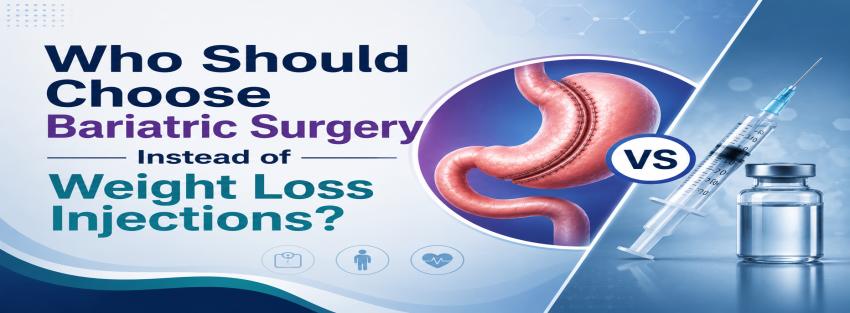
Today, two treatments are very popular for obesity: weight loss injections and bariatric surgery. Both work in different ways. Both give different results. So, it is natural to feel confused about which one to choose.
Dr. Jayadatt Pawar is a well-known Bariatric Surgeon in New Delhi. He has over 15+ years of experience in this field. He has completed more than 2,000 GI surgeries and treated over 5,000 happy patients. His success ratio stands at 95%, which shows his skill and care. As a leading laparoscopic surgeon and robotic surgeon, he helps patients choose the right weight loss treatment based on their body and health condition.
In this blog, we will explain both options in simple words. We will also tell you who should go for surgery and who can manage with injections. This will help you make a better and informed decision.
What Are Weight Loss Injections?
Weight loss injections are medicines. Doctors inject them under the skin, usually once a week. These medicines help control hunger and blood sugar. Some common names you may have heard are Ozempic for weight loss, Wegovy injection, and Mounjaro weight loss. These belong to a group called GLP-1 weight loss injections, and are also known as anti-obesity injections.
How Do Weight Loss Injections Work?
Our body naturally makes a hormone called GLP-1. This hormone tells the brain that the stomach is full. It also slows down digestion. Weight loss injections copy this hormone. So, the person feels less hungry and eats smaller portions. Over weeks and months, this leads to weight loss.
Benefits of Weight Loss Injections:
- No surgery or hospital stay is needed
- Easy to start with a doctor’s prescription
- Helps in controlling blood sugar
- Good option for people with mild to moderate weight problems
- Can be stopped or adjusted easily
Limitations of Weight Loss Injections:
- Weight often comes back after stopping the injection
- Not very effective for very high body weight
- Some people feel nausea, vomiting, or stomach upset
- Injections need to be continued for a long time, which is costly
- Long-term effects are still being studied by doctors
What Is Bariatric Surgery?
Bariatric surgery is a surgical procedure. In this surgery, the doctor changes the size of the stomach. This makes the stomach smaller. So, the person eats less food and still feels full. This is one of the most trusted ways to achieve permanent weight loss, especially for people with severe obesity.
Types of Bariatric Surgery:
- Sleeve gastrectomy – A large part of the stomach is removed. This is commonly called gastric sleeve surgery. It is one of the most preferred surgeries today.
- Gastric bypass surgery – The digestive path is changed. This surgery is very helpful for people with diabetes.
- Mini gastric bypass – This is a shorter and simpler version of gastric bypass surgery.
- Laparoscopic bariatric surgery – This is done using small cuts and a camera. Recovery is faster and scars are minimal.
These procedures are also called metabolic surgery or stomach reduction surgery, because they improve the body’s overall metabolism, not just weight.
How Bariatric Surgery Helps in Long-Term Weight Loss?
Unlike injections, bariatric surgery gives lasting results. It physically reduces the stomach size. So, old eating habits change naturally. Many patients also see improvement in diabetes, blood pressure, and joint pain after surgery. This is why doctors call it a form of obesity reversal.
Bariatric Surgery vs Weight Loss Injections:
This comparison shows why many doctors suggest bariatric surgery vs weight loss injections should be decided based on the patient’s BMI and health history, not personal preference alone.
Who Should Choose Bariatric Surgery?
Bariatric surgery is not for everyone. It is usually recommended for people with serious weight problems, where other methods have not worked. You may be a good candidate if:
- Your BMI is above 35 with health problems, or above 40 even without other problems. BMI is a simple way doctors measure body weight compared to height. A high BMI means the body is carrying extra fat, which increases health risks over time.
- You have already tried diet, exercise, and injections without lasting success. Many patients spend years trying different methods. When nothing gives lasting results, surgery becomes a more dependable option.
- You are struggling with obesity and diabetes. Extra body weight makes it harder for the body to control blood sugar. Bariatric surgery often improves diabetes, and in some cases, patients need fewer medicines afterward.
- You have obesity and high blood pressure. Extra weight puts pressure on the heart and blood vessels. Losing weight through surgery can bring blood pressure down naturally.
- You suffer from sleep apnea and obesity. Sleep apnea happens when breathing stops for short periods during sleep, often due to extra weight around the neck and throat. Weight loss through surgery can reduce this problem significantly.
- You have fatty liver related to your weight. Extra fat can build up in the liver, affecting its function. Weight loss surgery often helps reverse early-stage fatty liver.
- You want a permanent weight loss solution, not a temporary fix. Unlike diets or injections, surgery gives a lasting change to the stomach size, which supports long-term results.
If you are asking yourself, “Am I eligible for bariatric surgery?” the best way to know is a proper check-up with a specialist like Dr. Jayadatt Pawar. He will study your BMI, health history, and lifestyle before giving advice.
Who May Benefit More from Weight Loss Injections?
Not every patient needs surgery right away. Weight loss injections may work well if you:
- Have a lower BMI, with mild obesity. For smaller amounts of extra weight, injections can help without the need for a surgical procedure.
- Are not mentally or physically ready for surgery. Surgery needs proper preparation, both in mind and body. Injections give more time to prepare, if needed.
- Need extra support for weight loss for PCOS. PCOS often makes weight loss difficult due to hormonal imbalance. Injections can support weight management alongside other PCOS treatments.
- I want short-term help along with diet and exercise. Some patients only need a temporary push to kick-start their weight loss journey.
- Do not have serious obesity-related health issues yet. If diabetes, blood pressure, or joint problems have not developed yet, injections combined with lifestyle changes may be enough for now.
When Are Weight Loss Injections Not Enough?
Injections do not work the same way for everyone. In some cases, they may not give the results a patient truly needs:
- BMI is very high, above 40. At this stage, injections alone often cannot bring the body weight down to a safe and healthy range.
- The patient has metabolic syndrome, along with obesity. Metabolic syndrome means a combination of problems like high blood sugar, high blood pressure, and unhealthy cholesterol. This condition usually needs stronger treatment than injections alone.
- Weight comes back quickly after stopping the medicine. Many patients regain weight within months of stopping injections, which makes long-term management difficult.
- Diabetes or blood pressure is not improving with injections. If health markers are not showing real improvement, doctors may suggest surgery as a stronger option.
- The goal is long-term, stable weight loss, not short-term change. Injections require ongoing use, while surgery offers a more permanent path forward.
In such cases, surgical weight loss is usually safer and more dependable in the long run.
What Doctors Consider Before Recommending Bariatric Surgery?
A good surgeon never suggests surgery in a hurry. Before recommending obesity surgery, Dr. Jayadatt Pawar carefully checks several important factors:
- The patient’s current BMI and weight history. This helps understand how severe the obesity is and how it has changed over time.
- Other health conditions, like diabetes, PCOS, or thyroid issues. These conditions can affect surgery planning and recovery, so they are studied carefully.
- Past attempts at weight loss, including diets and medicines. Knowing what has already been tried helps decide if surgery is truly the next right step.
- The patient’s physical fitness for surgery. A basic health check-up confirms whether the body is ready for the surgical procedure.
- Family support and lifestyle habits after surgery. Recovery and long-term success depend a lot on daily habits and support at home.
Every patient is different. So, treatment plans are always personalised, not the same for everyone.
Benefits of Choosing Bariatric Surgery:
Bariatric surgery offers several health benefits beyond just weight loss:
- Gives faster weight loss compared to non-surgical methods. Most patients see visible results within the first few months itself.
- Helps improve diabetes control, sometimes even reversing it. Many patients need fewer diabetes medicines after surgery, and some achieve normal blood sugar levels.
- Supports better heart health over time. Weight loss reduces strain on the heart, lowering the risk of heart disease.
- Reduces obesity risks, such as joint pain, breathlessness, and sleep apnea. Less body weight means less pressure on joints and easier breathing.
- Leads to a healthier lifestyle with more energy and confidence. Patients often feel more active and comfortable in daily life after surgery.
- Offers sustained weight loss, which stays for years with good habits. With proper diet and follow-up, results from bariatric surgery can last a lifetime.
Risks of Bariatric Surgery:
Like every surgery, bariatric surgery also carries some risks. Patients should know these before deciding:
- Infection – There is a small risk of infection near the surgery cuts. Doctors give medicines to prevent this.
- Nutritional deficiency – Since the stomach becomes smaller, the body may absorb less vitamins and minerals. Doctors usually recommend supplements after surgery.
- Digestive changes – Some patients feel mild changes in digestion, like bloating or food intolerance, especially in the first few weeks.
- Blood clots – Like any major surgery, there is a small risk of blood clots. Doctors take precautions to avoid this.
- Anaesthesia-related risks – These are rare, but a proper health check-up before surgery reduces this risk further.
These risks reduce a lot when surgery is done by an experienced surgeon using modern techniques. Dr. Jayadatt Pawar’s 95% success ratio reflects his careful surgical technique and close patient monitoring, both before and after surgery.
Life After Bariatric Surgery:
Life after bariatric surgery usually improves in many ways:
- Weight loss continues steadily – Most patients keep losing weight for 12 to 18 months after surgery.
- Diabetes often improves – Many patients see better blood sugar control, and some even stop diabetes medicines.
- Blood pressure comes down – Weight loss reduces pressure on the heart and blood vessels.
- Joint pain reduces – Less body weight means less strain on knees and joints.
- Sleep and energy improve – Many patients sleep better and feel more active during the day.
- Diet changes are needed – Smaller meals, more protein, and fewer sugary foods become a part of daily life.
- Regular follow-ups are important – Doctors check progress, nutrition levels, and overall health from time to time.
With the right diet, light exercise, and regular follow-up visits, the results of bariatric surgery can last a lifetime.
Frequently Asked Questions (FAQs):
People with BMI above 35 with health problems, or BMI above 40, usually qualify for surgery.
For patients with severe obesity, surgery often gives more lasting results than injections like Ozempic or Wegovy. But the right choice always depends on individual health.
For long-term, stable weight loss, gastric sleeve surgery is usually more effective than injections alone.
Most patients lose around 60 to 70 percent of their extra body weight within the first year.
Yes, it is safe when done by a skilled and experienced surgeon using modern laparoscopic or robotic techniques.
Conclusion:
Choosing between bariatric surgery and weight loss injections is not a simple decision. It depends on your BMI, your health condition, and your long-term goals. Weight loss injections may help people with mild obesity. But for people with severe obesity, bariatric surgery usually gives safer and more lasting results.
Dr. Jayadatt Pawar brings global training to Delhi and Faridabad, including a Fellowship in Colorectal Surgery (FCRS) from Hong Kong, along with FMAS, FNB, and FALS qualifications. With over 2,000 successful GI surgeries and a 95% success ratio, he is trusted by thousands of patients for obesity, hernia, colorectal, and robotic surgeries in New Delhi.
If you are still confused between surgery and injections, do not decide alone. Book a consultation with Dr. Jayadatt Pawar. He will guide you with the right advice, based on your body and health needs.