Dr. Jayadatt Pawar
MBBS, MS(General surgery), DNB, FMAS, FNB(Laparoscopic & Robotic surgery), FALS(Bariatric surgery)
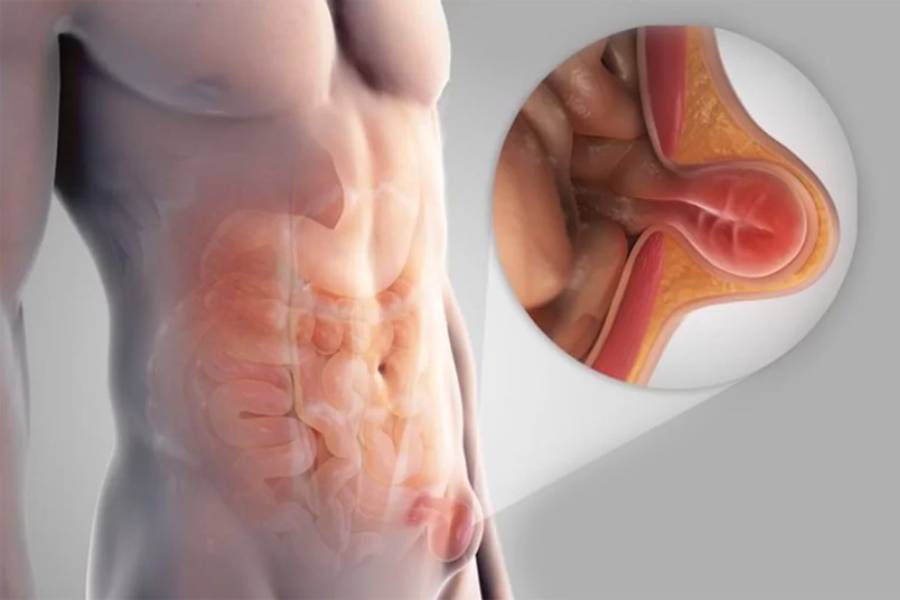
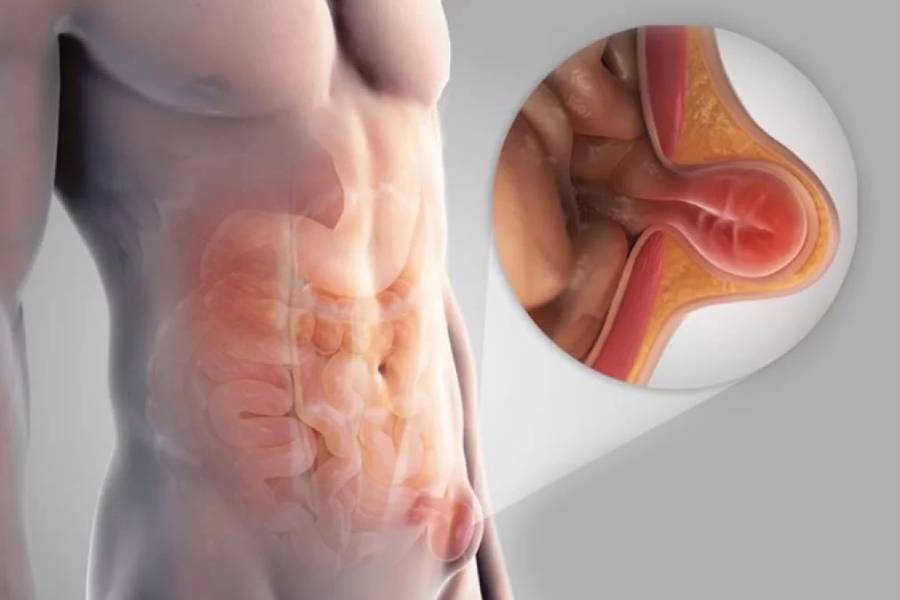
A hernia occurs when an internal organ or tissue pushes through a weak area in the surrounding muscle. It may appear as a bulge in the abdomen, groin or near the belly button. Some patients may feel pain or discomfort while coughing, lifting heavy objects or doing daily activities.
Early diagnosis helps the doctor understand the type of hernia and suggest the right treatment.
Dr. Jayadatt Pawar is an experienced Laparoscopic & Robotic Surgeon. advanced gastrointestinal surgery. He has over 15 years of surgical experience, with more than 2,000 GI surgeries, 300 robotic procedures and 5,000 patients treated, according to his professional profile. His profile also reports a 95% success ratio. Treatment results may vary from patient to patient.
Patients looking for a Hernia Specialist in Noida can consult Dr. Jayadatt Pawar at Yatharth Super Speciality Hospital, Sector 110, Noida. He evaluates each patient and recommends a suitable treatment plan based on the type of hernia, symptoms and overall health.
What Is a Hernia?
A hernia develops when an organ, fatty tissue or part of the intestine pushes through a weak area in the muscle or surrounding tissue. It commonly occurs in the abdomen, groin or near the belly button.
Common symptoms include a visible lump, pain while lifting objects and discomfort during coughing or straining. Some hernias may not cause pain in the early stages.
Most abdominal wall hernias do not heal on their own. Hernia Diagnosis and Treatment help the doctor decide whether regular monitoring or surgery is needed.
What Are the Different Types of Hernia?
A hernia can develop in different parts of the body, depending on where the muscles or tissues become weak. Each type of hernia may have different symptoms and treatment options. Understanding the types of hernia can help you recognise the signs and seek medical advice at the right time.

Inguinal Hernia (Groin Hernia)
An inguinal hernia develops in the groin when tissue pushes through a weak area in the muscles. It is more common in men. Common symptoms include a bulge in the groin, heaviness or pain while coughing, standing or lifting heavy objects. Inguinal Hernia Treatment depends on the size of the hernia, the symptoms and the risk of complications.
Umbilical Hernia (Belly Button Hernia)
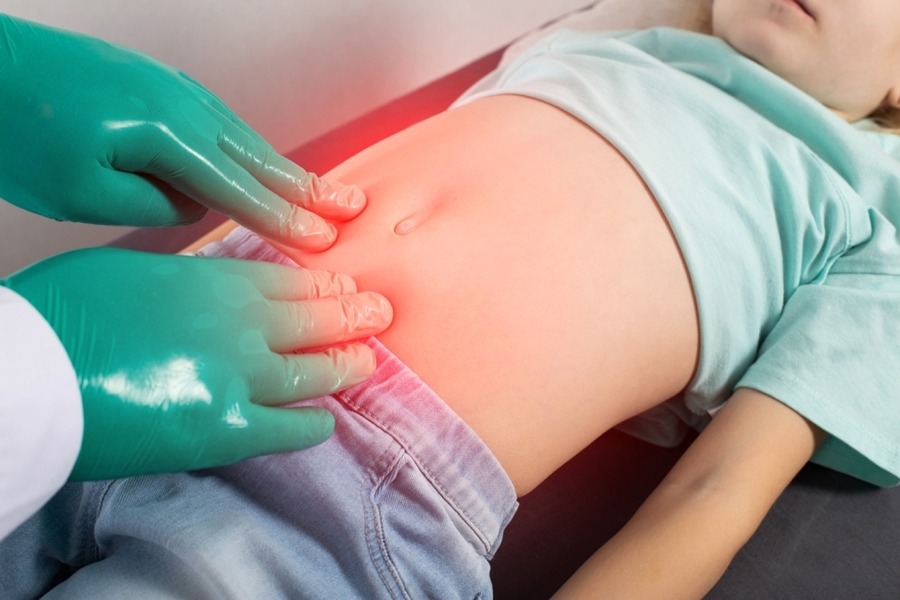
An umbilical hernia develops near the belly button. It usually appears as a small bulge that may become more visible while coughing, bending or straining. Umbilical Hernia Treatment may include regular monitoring in selected cases or surgery if the hernia causes symptoms or other concerns.
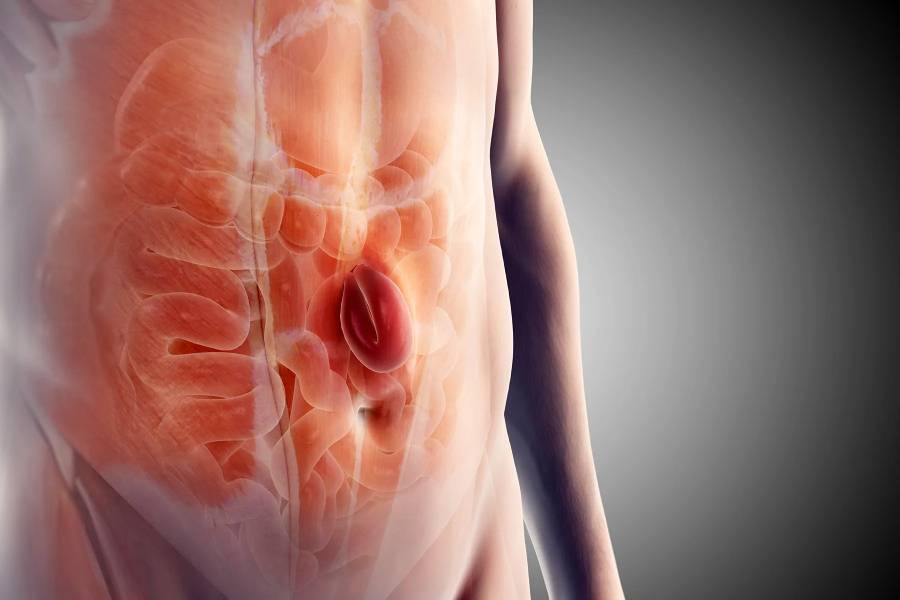
Incisional Hernia
An incisional hernia develops at the site of a previous abdominal surgery. It occurs when tissue pushes through a weak area in the surgical scar. The bulge may appear months or even years after the operation. Incisional Hernia Repair may involve closing the weak area and using surgical mesh to strengthen it, depending on the patient's condition.
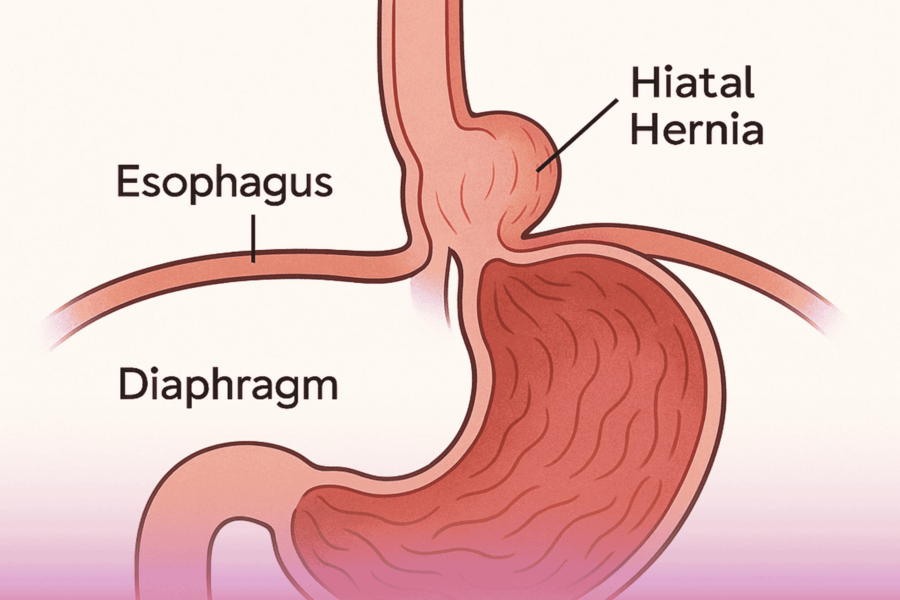
Hiatal Hernia
A hiatal hernia occurs when part of the stomach moves up into the chest through an opening in the diaphragm. Some patients may experience acidity, heartburn, chest discomfort or food coming back into the mouth. Treatment depends on the symptoms and the severity of the hernia. Some patients may need medicines, while others may require surgery.
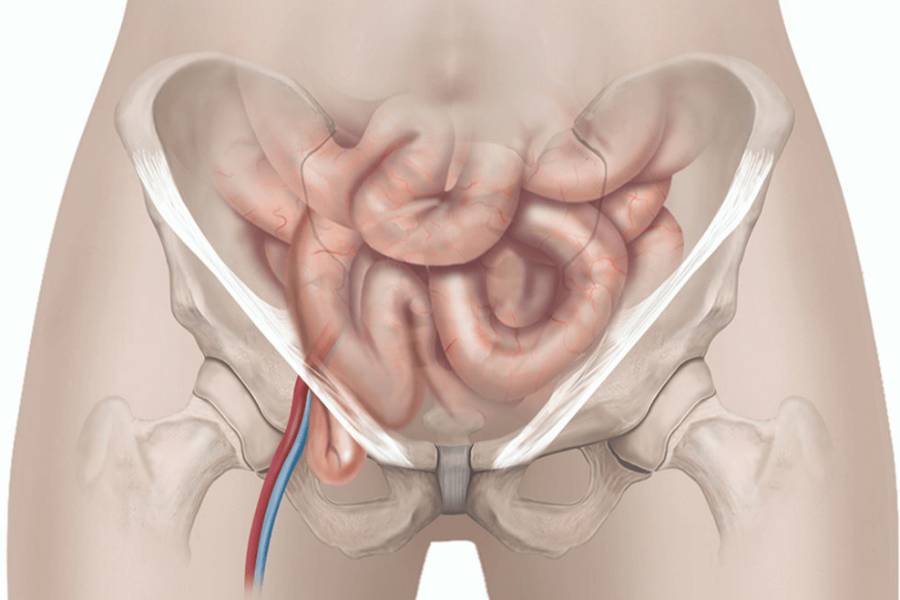
Femoral Hernia
A femoral hernia develops near the groin, close to the upper thigh. It is less common than an inguinal hernia but has a higher risk of complications. Early Femoral Hernia Treatment is important because this type of hernia can sometimes lead to serious problems if the tissue becomes trapped.
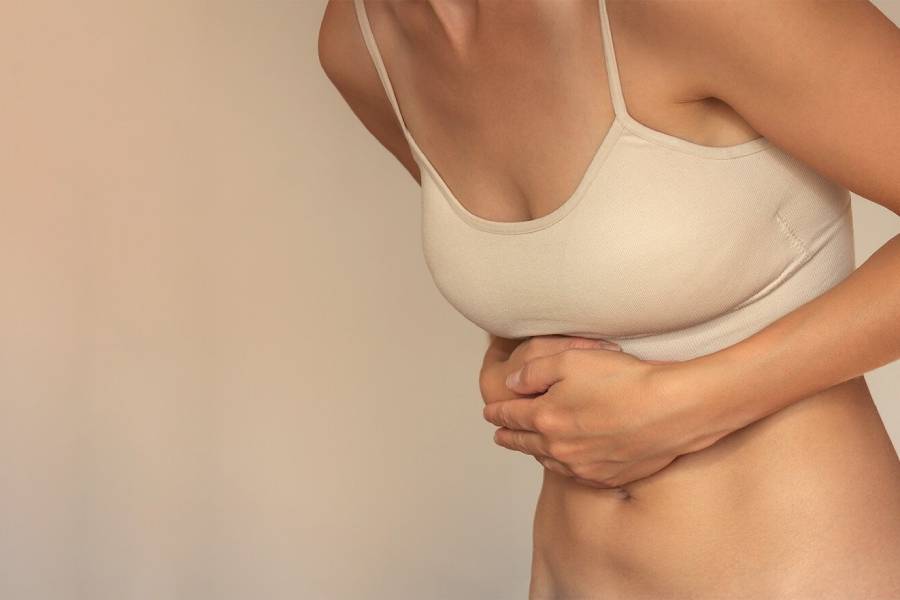
Epigastric Hernia
An epigastric hernia develops in the upper part of the abdomen, between the breastbone and the belly button. It may appear as a small lump and cause pain or discomfort during coughing, lifting or physical activity. The doctor may recommend monitoring or surgery depending on the size of the hernia and the symptoms.
Common Symptoms of a Hernia You Should Not Ignore:
The early signs of a hernia may be mild. However, symptoms can become more noticeable over time.
Common hernia symptoms in adults include:
- A visible lump in the abdomen or groin.
- Pain or discomfort while coughing, bending or lifting objects.
- A feeling of heaviness or pressure in the affected area.
- Swelling that becomes more noticeable while standing.
- Discomfort during exercise or daily activities.
When to seek emergency care: If the hernia suddenly becomes very painful, the bulge becomes hard or cannot be pushed back, or you develop vomiting, abdominal swelling or difficulty passing stools or gas, seek emergency medical care immediately. These symptoms may indicate a serious complication.
What Are the Common Causes of a Hernia?
A hernia usually develops due to weakness in the muscles or tissues, increased pressure inside the abdomen, or both.
Common causes and risk factors include:
- Lifting heavy objects incorrectly.
- Long-term coughing.
- Frequent straining due to constipation.
- Being overweight or having obesity.
- Pregnancy and childbirth.
- Previous abdominal surgery.
- Weakening of muscles with age.
- Natural weakness in the abdominal wall.
Not every hernia can be prevented. However, maintaining a healthy weight, treating constipation and avoiding unnecessary strain may help reduce pressure on the abdominal muscles.
When Should You See a Hernia Specialist?
Many people ignore a small lump for months. Please do not do this. A hernia does not go away on its own, and it usually gets bigger with time.
You should meet a hernia surgeon if:
- You see a new lump in your groin, belly or near the navel
- The lump is slowly becoming bigger
- You feel pain, burning or heaviness, especially while lifting or coughing
- Your daily work has become difficult because of the swelling
- You had hernia surgery earlier and the lump has come back
- You are not sure whether the swelling is a hernia or something else
Go to the hospital immediately if the lump becomes hard, red or very painful. Also go if you have vomiting or cannot pass motion or gas. This can be an emergency.
The earlier you consult, the simpler the surgery and the faster your recovery.
How Is Hernia Diagnosed?
Hernia diagnosis usually starts with a discussion about your symptoms and a physical examination. The surgeon checks the affected area and may ask you to stand or cough to see the bulge more clearly.
Depending on the type of hernia, the doctor may recommend the following tests:
- Ultrasound: Helps check certain hernias in the abdomen and groin.
- CT Scan: Provides detailed images of large, complex or recurrent hernias.
- Other Tests: Additional investigations may be needed in selected cases, especially when a hiatal hernia is suspected.
The results help the surgeon understand the condition and suggest the most suitable treatment.
Surgical and Non-Surgical Treatment Options for Hernia:
Hernia treatment depends on the type of hernia, its size, symptoms and the patient’s overall health. After examining the hernia, the surgeon may recommend regular monitoring or surgery. Different treatment options are available, and the right choice depends on the patient’s condition.
Hernia Treatment Without Surgery:
Some patients with small hernias and no major symptoms may be advised to monitor the condition through regular check-ups.
Non-surgical management may include:
- Regular Monitoring: The surgeon checks the size of the hernia and any changes in symptoms.
- Weight Management: Maintaining a healthy weight may help reduce pressure on the abdominal muscles.
- Constipation Management: Eating fibre-rich foods and drinking enough water may help prevent straining during bowel movements.
- Activity Changes: Avoid activities that cause pain or put excessive strain on the affected area.
- Symptom Management: The doctor may suggest suitable medicines to manage pain or discomfort when needed.
These measures may help manage symptoms, but they cannot close the weak area or cure most abdominal wall hernias. A support belt may be recommended in selected cases, but it does not repair the hernia.
Hernia Surgery Treatment Options:
Surgery may be recommended if the hernia causes pain, becomes larger, affects daily activities or has a risk of complications. The surgeon will explain the available procedures and help you choose the most suitable option.
Common hernia surgery options include:
- Open Hernia Repair: The surgeon makes a cut near the hernia and repairs the weak area. Surgical mesh may be used when appropriate.
- Laparoscopic Hernia Repair: The surgeon uses small cuts, a camera and special instruments to repair the hernia. This method may help suitable patients recover sooner.
- Robotic Hernia Repair: The surgeon uses robotic instruments controlled from a console. It may be suitable for selected hernias, including some complex or recurrent cases.
- TEP Repair: This laparoscopic technique is commonly used for inguinal hernias. The repair is performed without entering the main abdominal cavity.
- TAPP Repair: The surgeon accesses the hernia through the abdominal cavity and places the repair mesh behind the abdominal lining. It is another option for inguinal hernia repair.
- eTEP Repair: This advanced minimally invasive technique may be used for selected ventral, incisional and other abdominal wall hernias.
- Hernia Mesh Repair: A surgical mesh is used to strengthen the weak area and may reduce the risk of recurrence. Its use depends on the type of hernia and the patient’s condition.
For patients with ventral, incisional or recurrent hernias, the surgeon may recommend a specific repair technique based on the size and location of the defect and any previous operations.
Not every patient needs the same procedure. The choice between open, laparoscopic, robotic or other repair techniques depends on the individual case. Robotic surgery is not always better than other methods. If a hernia suddenly becomes very painful, hard or cannot be pushed back, or you develop vomiting or abdominal swelling, seek emergency medical care immediately.
Diet and Recovery Tips After Hernia Surgery:
The hernia operation recovery time differs for each person. After laparoscopic surgery, many patients walk the same day. Light desk work is often possible within one to two weeks. Heavy lifting needs more time, as advised by your surgeon.
These hernia surgery recovery tips can help:
- Walk a little every day
- Avoid lifting heavy weights until cleared
- Support the wound while coughing or sneezing
- Take medicines on time
- Attend all follow-up visits
A good diet after hernia surgery keeps your bowel movement smooth. Straining can harm the repair. So eat:
- Fibre-rich foods like fruits, vegetables, oats and dalia
- Lean protein like dal, eggs, curd and paneer
- Plenty of water, at least 2 to 3 litres daily
Avoid oily, spicy and junk food in the first few weeks. Quit smoking, as it slows healing.
Why Consult Dr. Jayadatt Pawar for Hernia Treatment in Noida?
Choosing the right surgeon is an important step in hernia treatment. Dr. Jayadatt Pawar has experience in advanced laparoscopic, robotic and gastrointestinal surgery. He evaluates each patient and recommends treatment based on the type of hernia, symptoms and overall health.
Here are some key points about his experience and approach to patient care:
Strong Educational Background:
He holds MBBS, MS in General Surgery, DNB, FMAS (AMASI, 2019), FNB in Laparoscopic and Robotic Surgery from GEM Hospital, Coimbatore (2023), FALS in Bariatric Surgery and FCRS (Fellowship in Colorectal Surgery) completed in Hong Kong.
Surgical Experience:
According to his professional profile, he has performed more than 2,000 GI surgeries, 300 robotic procedures.
Advanced Surgical Techniques:
He has training in robotic and advanced laparoscopic surgery and is an accredited da Vinci robotic surgeon. These techniques may be suitable for selected hernia repairs.
Awards and Recognition:
He received the Bursary Award at AMASICON 2022, was a guest speaker at AAPS Vietnam in 2022 and secured Rank 4 in All India FET 2021.
Research and Academic Work:
He has published more than 20 papers in peer-reviewed journals and has participated as guest faculty at international conferences, including AAPS Vietnam, CRSA Italy and Seoul, South Korea.
Professional Memberships:
He is associated with professional organisations, including AMASI, IAGES and ACRSI.
Personalised Treatment Planning:
Every hernia is different. He assesses the patient's condition and discusses suitable treatment options, including open, laparoscopic and robotic hernia repair, wherever appropriate.
Guidance During Recovery:
Patients receive advice about wound care, diet, physical activity and follow-up after surgery to support a safe recovery.
Patient-Focused Approach:
The focus is on explaining the condition in simple language, discussing the benefits and risks of treatment, and helping patients make informed decisions without rushing into surgery unnecessarily.
Patients looking for a Hernia Surgeon in Noida can consult Dr. Jayadatt Pawar for an evaluation and guidance on suitable hernia treatment options.
If you have a lump in your groin or abdomen, swelling near the belly button or persistent discomfort, consult a qualified surgeon for an examination.
You can consult Dr. Jayadatt Pawar for hernia evaluation and treatment planning at:
Yatharth Super Speciality Hospital
Plot No. 1, Lotus Panache, Sector 110, Noida, Uttar Pradesh 201304
- Phone: +91 84382 83406
- Email: drjayadattpawar12@gmail.com
Contact the hospital or clinic to confirm consultation timings and appointment availability.
Frequently Asked Questions (FAQ's) About Hernia Treatment:
If you have a lump in your abdomen or groin, consult a qualified hernia surgeon for proper evaluation. Dr. Jayadatt Pawar specialises in advanced laparoscopic and robotic surgery. He assesses each patient’s condition and recommends a suitable treatment plan based on the type of hernia and overall health.
The common signs of a hernia include a bulge in the abdomen or groin, pain while coughing, discomfort while lifting heavy objects and a feeling of heaviness in the affected area. If you notice a new lump or worsening symptoms, consult a surgeon. Sudden severe pain, vomiting or a hard lump that cannot be pushed back requires emergency medical attention.
Some patients with small hernias and no major symptoms may be advised to undergo regular monitoring under medical supervision. Lifestyle changes can help manage discomfort, but most abdominal wall hernias do not heal on their own. Surgery may be recommended if the hernia grows, causes pain or has a risk of complications.
Recovery after laparoscopic hernia surgery varies from patient to patient. Many patients can start light activities within a few days, but complete recovery may take several weeks. Avoid heavy lifting and strenuous exercise until your surgeon allows you to resume these activities.
Surgical mesh is commonly used in many hernia repairs to strengthen the weak area and reduce the risk of the hernia returning. However, mesh is not required in every case. It can have complications, so the surgeon will explain its benefits, risks and alternatives before treatment.
Yes, a hernia can return after surgery. The risk depends on factors such as the type of hernia, the repair technique, tissue strength and overall health. Following your surgeon’s recovery instructions, maintaining a healthy weight and returning to heavy activities at the recommended time may help reduce the risk.
TEP and TAPP are laparoscopic techniques commonly used for inguinal hernia repair. eTEP is an advanced minimally invasive technique that may be used for selected abdominal wall hernias. The most suitable method depends on the hernia’s location, size, previous surgeries and the surgeon’s assessment.
A hernia needs urgent medical attention if the bulge suddenly becomes very painful, hard or cannot be pushed back. Vomiting, abdominal swelling or difficulty passing stools or gas may also indicate a serious complication. Seek emergency medical care immediately if these symptoms occur.